
Introduction: The New Digital Arena for Forex Traders
The foreign exchange (Forex) market, dynamic and ever-evolving, has found a new, highly accessible, and often unpredictable arena: social media. For independent Forex traders, social platforms offer unprecedented opportunities to share insights, connect with communities, and even promote their services. While the institutional trading world has established protocols for online conduct, the individual Forex trader often navigates this space without a clear compass.
It is information, not advice, and leveraged trading can lose your entire balance.
The Imperative: Why Forex Traders Need a Social Media Trading Policy
Social media platforms, from Twitter and LinkedIn to YouTube and specialized trading forums, are no longer just for casual interactions; they are powerful tools that can build or destroy a reputation. Without a clear policy, traders risk inadvertent regulatory breaches, reputational damage, and financial penalties. A well-defined social media policy acts as a shield, protecting the trader and ensuring that all online activities align with ethical standards and legal requirements. It establishes boundaries for content sharing, disclosure of trading performance, and interactions with other market participants or potential clients, fostering trust and credibility.
What is a social media trading policy and why is it essential for Forex traders?
A social media trading policy is a set of guidelines that dictate how a Forex trader should conduct themselves and what content they can share on various online platforms. It provides a structured approach to online engagement, helping traders navigate the complex interplay of personal expression and professional responsibility.
Understanding the Core Elements of an Effective Social Media Trading Policy
An effective social media trading policy must be comprehensive, clear, and adaptable. Secondly, content guidelines should outline acceptable types of information to share, prohibiting the dissemination of false or misleading statements, price manipulation attempts, or confidential information. This also includes rules on sharing performance claims, which must always be accompanied by clear disclosures about hypothetical results or past performance not being indicative of future results.
While social media can blend these lines, a policy should advise against commenting on sensitive political or social issues when representing oneself as a trader, and against engaging in unprofessional behavior online. Lastly, a robust policy details the consequences of non-compliance, which could range from internal disciplinary action (for those affiliated with firms) to legal ramifications and severe damage to personal brand and trading reputation.
What are the key components that should be included in a comprehensive social media trading policy?
It should also establish strict content guidelines, prohibiting false or misleading information, market manipulation, or sharing of non-public data. Clear boundaries between personal and professional online conduct are necessary, alongside rules for managing conflicts of interest. The policy must also outline expectations for professional communication and interaction, address data privacy, and detail the consequences of any non-compliance.
Navigating Regulatory Compliance: What Forex Traders Must Know
Regulatory bodies globally are increasingly scrutinizing social media activities in financial markets, including Forex. For traders, understanding these compliance requirements is not just about avoiding penalties, but about fostering trust and maintaining market integrity. Key regulators like the Financial Conduct Authority (FCA) in the UK, the Australian Securities and Investments Commission (ASIC), the Cyprus Securities and Exchange Commission (CySEC), and the Commodity Futures Trading Commission (CFTC) in the US, all have stringent rules regarding financial promotions and public communication. These rules typically focus on preventing misleading statements, ensuring adequate risk warnings, and prohibiting market manipulation.
Any claims of trading performance, whether actual or hypothetical, must be clear, fair, and not misleading. This includes prominently displaying disclaimers that highlight the significant risks involved in Forex trading and the fact that past performance is not indicative of future results.
Cross-border implications are a growing area of concern for regulators, meaning a trader in one country could still face scrutiny from a regulator in another if their content targets that region.
What specific regulatory guidelines and compliance requirements apply to Forex traders' social media activities?
Specific regulatory guidelines for Forex traders on social media primarily revolve around the prevention of misleading promotions and ensuring transparency. These include: mandatory prominent risk warnings on all trading-related content, stating that past performance is not a reliable indicator of future results; strict rules against making unrealistic profit claims or guarantees; clear differentiation between informational content and regulated financial advice; and the disclosure of any conflicts of interest. Regulators also prohibit market manipulation, front-running, and the dissemination of false information. Traders are generally required to ensure all communications are fair, clear, and not misleading, allowing potential clients to make informed decisions about highly speculative products like Forex. Awareness of these rules, which are actively enforced by bodies like the FCA, ASIC, and CFTC, is critical for compliance and avoiding sanctions.
Best Practices for Responsible Social Media Engagement in Forex
Engaging responsibly on social media requires a proactive and thoughtful approach. One foundational best practice is to maintain absolute transparency. Always identify yourself clearly, disclose any professional affiliations, and use prominent disclaimers on all trading-related posts. This includes specifying if your content is for educational purposes only and not financial advice. When sharing trading results, whether your own or from services like forex signals or copy trading, ensure the data is accurate, verifiable, and presented with a full context of risks and potential losses. This includes using appropriate disclaimers about hypothetical performance or the inherent risks of leveraged products. Insights from our articles on Forex Signals vs. Copy Trading and Copy Trading Statistics: What Dashboards Show can help inform how to frame such discussions responsibly.
Instead, focus on sharing analytical frameworks, market commentaries, or educational content. Foster a professional tone in all interactions, even when responding to critics or engaging in debates. Refrain from engaging in emotional or aggressive language. Be mindful of privacy and confidentiality, never sharing client information or proprietary data. Actively monitor your online presence, regularly reviewing past posts and comments to ensure ongoing compliance and consistency with your policy. Finally, cultivate a mindset of continuous learning, staying informed about evolving social media trends and regulatory updates, and adjusting your practices accordingly. This approach allows traders to leverage the networking and educational benefits of social media without falling victim to its inherent risks.
How can Forex traders balance personal expression with professional integrity and regulatory compliance on social media?
Forex traders can balance personal expression with professional integrity and regulatory compliance by establishing clear boundaries and adhering to strict content guidelines. This involves creating separate professional and personal profiles, or maintaining a distinct professional persona on platforms where trading-related content is shared. It means consistently using disclaimers, refraining from offering specific financial advice, and ensuring all performance claims are transparent and accompanied by full risk warnings. Traders should focus personal expression on non-trading topics, or frame trading-related personal opinions within an educational context, always emphasizing that they are not financial advice. By prioritizing transparency, ethical communication, and compliance with industry regulations, traders can express themselves while upholding their professional reputation and avoiding legal pitfalls.
Mitigating Risks: Consequences of Non-Compliance and Safeguarding Your Trading Reputation
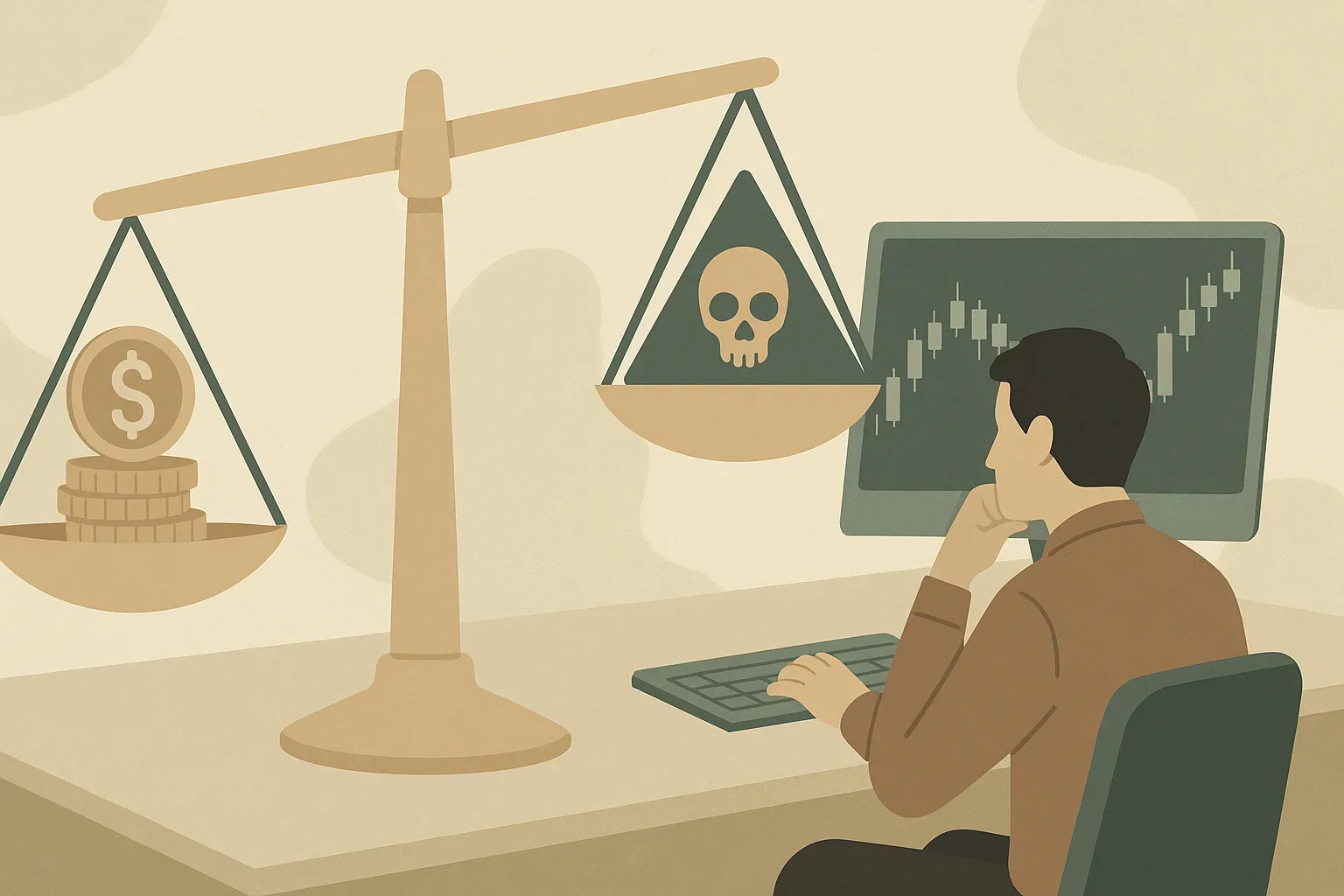
The failure to adhere to a well-structured social media trading policy can have severe and far-reaching consequences for a Forex trader. These risks extend beyond mere inconvenience and can significantly impact one's financial standing, legal freedom, and professional reputation. These penalties can range from thousands to hundreds of thousands of dollars, depending on the severity and nature of the breach. For example, making unsubstantiated profit claims or failing to include proper risk disclaimers can attract significant monetary sanctions from financial authorities.
Legally, engaging in prohibited activities such as market manipulation, spreading false information, or offering unlicensed financial advice can result in legal action, including civil lawsuits from affected investors or even criminal charges in extreme cases. Such legal battles are not only financially draining but also time consuming and emotionally taxing. Reputational damage is perhaps the most insidious consequence, as it can be irreversible. Once a trader's credibility is questioned or lost due to unethical or non-compliant online behavior, regaining trust within the trading community and among potential clients becomes an uphill battle, potentially ending a career. Negative publicity spreads rapidly on social media, making it difficult to control the narrative once it has turned adverse. Safeguarding your trading reputation, therefore, involves rigorous adherence to your social media policy, proactive risk assessment of your posts, and a commitment to ethical conduct in all online interactions.
What are the potential risks and consequences (reputational, financial, legal) of not adhering to a proper social media trading policy?
The potential risks and consequences of not adhering to a proper social media trading policy are multi-faceted and severe. Reputationally, traders risk losing credibility, trust, and influence within the financial community, which can be irreparable and hinder career progression. Legally, traders can face civil lawsuits from individuals who claim to have been misled, or even criminal charges for serious offenses like market manipulation or operating without a license. Additionally, brokers or platforms might suspend or terminate accounts of traders found to be violating terms of service or regulatory requirements. These consequences underscore the critical importance of a robust social media policy.
Developing Your Personal Social Media Trading Policy: A Practical Framework
Creating your own social media trading policy is a proactive step toward professional accountability and risk management. This process should be systematic and tailored to your specific trading activities and online presence. Begin with a self-assessment: identify the platforms you use, the type of content you typically share, and your target audience. This initial step helps to pinpoint potential areas of risk and exposure. Next, research the relevant regulatory guidelines that apply to you. Understand the rules concerning financial promotions, disclaimers, and advice in your jurisdiction and for any regions you might indirectly target. This knowledge forms the bedrock of your policy.
Draft your policy using clear, unambiguous language. It should include sections on: content creation (what to post, what not to post), disclaimers (where and how to apply them), engagement rules (how to interact with others), privacy (what not to share), conflicts of interest (how to disclose them), and consequences of breaches. Consider creating a checklist for every post you make to ensure it aligns with your policy before publishing. Implement your policy by making it a consistent part of your routine. Regularly review your policy, perhaps annually or whenever there are significant changes in regulations, social media platforms, or your trading activities. Seeking legal counsel to review your draft policy, especially concerning regulatory compliance and disclaimers, is highly recommended to ensure it provides robust protection. This iterative approach ensures your policy remains effective and relevant in protecting your professional standing.
How can an individual Forex trader effectively create and implement their own social media trading policy?
Start by conducting a thorough audit of all their online platforms and content types. Next, research and understand the specific regulatory compliance requirements applicable to their location and target audience, focusing on financial promotions and advice. Draft clear guidelines covering content types, mandatory disclaimers, professional conduct, managing conflicts of interest, and privacy. Implement this policy by consciously applying it to every online post and interaction. Regularly review and update the policy to align with evolving regulations and platform changes. Finally, consider obtaining professional legal advice to ensure the policy is comprehensive and provides adequate protection against potential liabilities.
Conclusion: Cultivating a Responsible Digital Presence
However, with these opportunities come significant responsibilities. Developing and rigorously adhering to a comprehensive social media trading policy is not merely an optional best practice; it is an imperative for any Forex trader serious about long term success, ethical conduct, and legal compliance. By proactively defining your online boundaries, understanding regulatory landscapes, and committing to transparency and integrity, you not only protect yourself from potential risks but also cultivate a reputation as a trustworthy and professional participant in the global financial markets. Your digital footprint is permanent, and a thoughtful social media policy ensures it reflects positively on your trading journey.
Forex, CFDs, and leveraged products carry a substantial risk of loss. It is information, not advice, and leveraged trading can lose your entire balance.
Independent editorial. This site may in future carry advertising or affiliate links; any such relationship is disclosed on the page it affects. None applies to this article.