The Unseen Pillar: Why Security is Essential in Forex Trading
In the fast-moving world of forex trading, where opportunities can arise and vanish in seconds, traders often focus intently on strategy, analysis, and execution. However, an equally critical, yet frequently overlooked, element is security. For both novice and experienced traders, the foundation of a successful and sustainable trading journey rests heavily on the strength of their security measures.
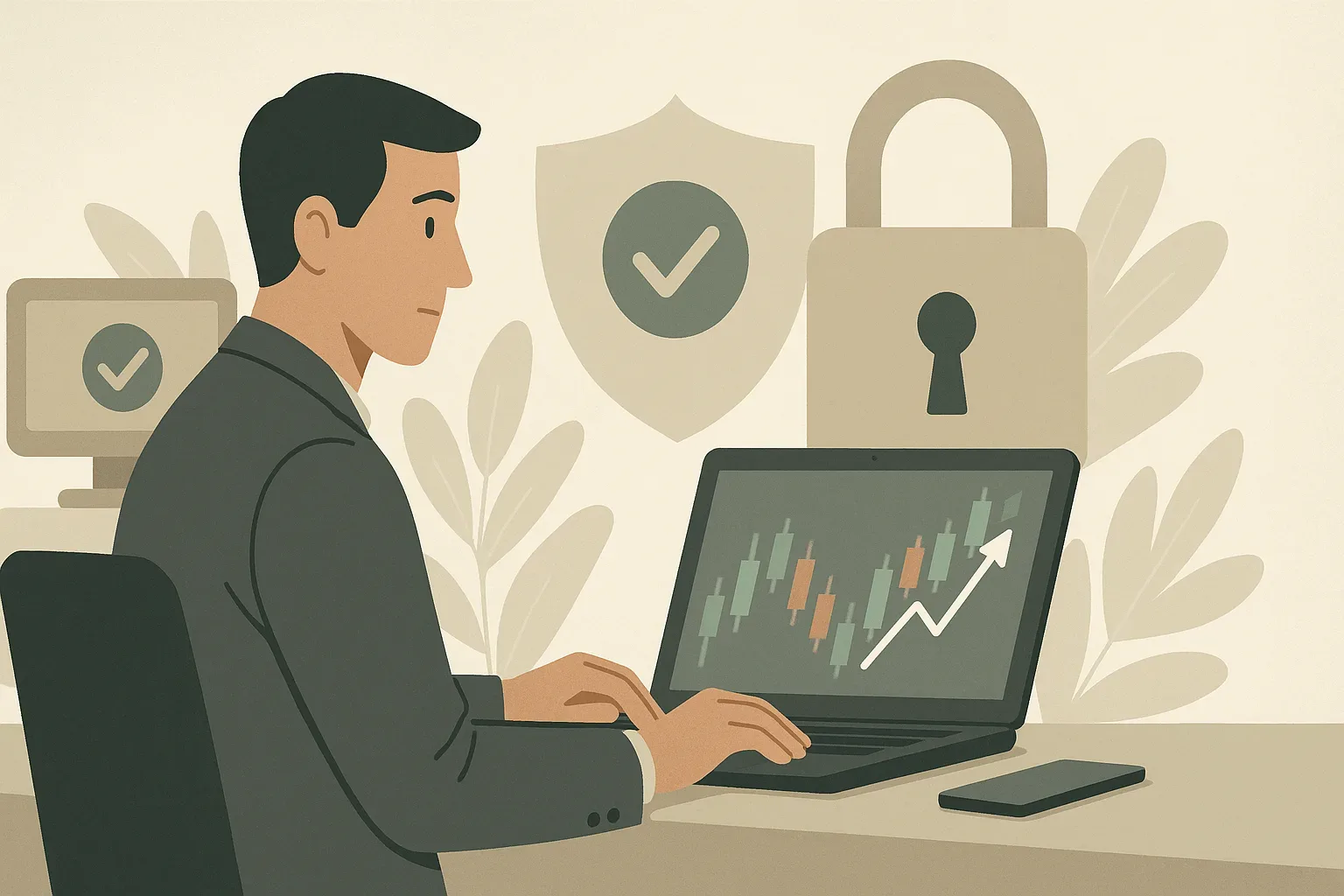
The forex market, due to its global nature, high liquidity, and the constant flow of funds, is an attractive target for fraudsters, scammers, and cyber criminals. Without adequate security, even the most profitable trading strategies can be undermined by compromised accounts, stolen funds, or identity theft. This detailed framework outlines how to understand, assess, and significantly strengthen security across all facets of your forex trading activities. From the initial selection of a broker to the daily practices of safeguarding your digital footprint, essential steps are covered to provide a safer and more confident trading experience, allowing you to focus on market analysis rather than worrying about the safety of your investments.
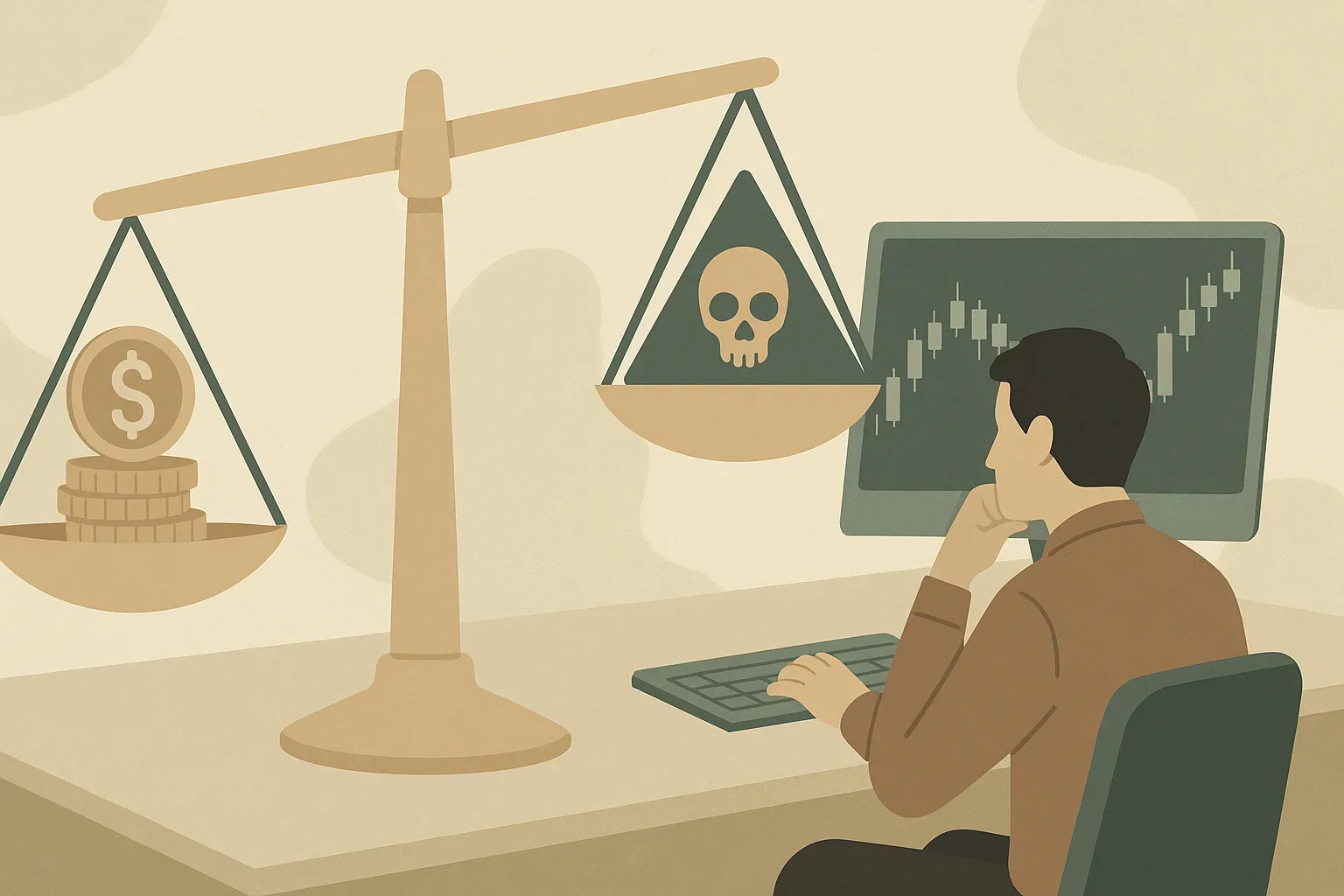
Please remember that forex, CFDs, and leveraged products carry a substantial risk of loss. It is information, not advice, and leveraged trading can lose your entire balance.
Regulatory Compliance: Your First Line of Defense in Broker Selection
Regulatory compliance is not just a formality; it is an important safeguard that protects traders from unethical practices, mismanagement, and potential fraud. A regulated broker operates under the strict oversight of a government-appointed financial authority, which enforces rules regarding capital adequacy, client fund segregation, transparency, and dispute resolution. Trading with an unregulated entity is operating without a safety net, exposing your capital to unacceptable risks.
Therefore, understanding the regulatory context relevant to your country of residence and the specific protections offered by the regulator overseeing your chosen broker is important. Always verify a broker's license directly on the regulator's official website, rather than relying solely on claims made on the broker's own site.
What are the core regulatory requirements a forex broker must meet to be considered secure?
For a forex broker to be considered secure, it must be licensed and supervised by a reputable financial authority. Core requirements include the segregation of client funds, meaning traders' money is held in separate bank accounts from the broker's operational capital, preventing its use for the broker's business expenses. Brokers must also maintain sufficient operational capital, undergo regular audits, and adhere to strict financial reporting standards. Participation in an investor compensation scheme, offering protection in case of broker insolvency, is also necessary. Finally, a commitment to transparent pricing, fair execution policies, and clear terms and conditions are hallmarks of a securely regulated broker. You can learn more about this by consulting our resource on how to choose a forex broker.
Protecting Your Capital: Fund Segregation and Investor Compensation Schemes
Beyond regulatory status, understanding how your funds are handled and protected is very important. Fund segregation is a mandatory requirement for regulated brokers, ensuring that client deposits are kept in separate bank accounts from the broker's own operating capital. This means that if a broker faces financial difficulties or goes bankrupt, your funds are protected and cannot be used to pay off the broker's creditors. This separation provides a strong layer of security for your investment, making sure it is available even in adverse circumstances involving the broker.
Investor compensation schemes, also known as deposit protection schemes, offer an additional layer of security. These schemes are typically established by national governments or regulatory bodies and provide a safety net for clients in the event that a regulated broker becomes insolvent and is unable to return client funds. The level of compensation varies by jurisdiction. For example, the Financial Services Compensation Scheme (FSCS) in the UK protects eligible claims up to £85,000 per person, per firm. Similarly, the Investor Compensation Fund (ICF) in Cyprus offers compensation up to €20,000. It is necessary for traders to research the specific compensation limits and eligibility criteria applicable to their chosen broker's regulatory jurisdiction. This information is usually available on the regulator's or compensation fund's official website.
How are traders' funds protected when trading with a regulated forex broker?
These schemes provide a financial safety net, offering a degree of compensation to traders in the event that their regulated broker becomes insolvent. Transparent auditing and regular financial reporting also help maintain the broker's financial stability and adherence to protective measures.
Digital Fortification: Understanding Broker Technological Security Measures
Cyber threats are constantly evolving, making strong digital protections necessary to protect your trading account and personal information. When assessing a broker, consider the following important technological security measures:
Encryption: All communications between your device and the broker's servers should be protected by strong encryption protocols, typically SSL/TLS. This encrypts your login credentials, personal data, and trading activity, making it unreadable to unauthorised third parties who might try to intercept data.
Two-Factor Authentication (2FA): This is an important security layer. 2FA requires a second form of verification beyond your password, such as a code sent to your mobile phone or generated by an authenticator app. Even if your password is stolen, an attacker cannot access your account without this second factor. Reputable brokers offer and often recommend 2FA for account logins and critical actions like withdrawals.
Firewalls and Intrusion Detection Systems (IDS): Brokers employ advanced firewalls to block unauthorized access to their networks and servers. IDS constantly monitor network traffic for suspicious activity, alerting security teams to potential threats and preventing breaches.
Adherence to data protection regulations like GDPR also supports client data privacy and security.
Regular Security Audits and Penetration Testing: Leading brokers proactively engage third-party security experts to conduct regular audits and penetration tests. These simulated cyberattacks identify vulnerabilities before malicious actors can exploit them, leading to continuous improvement of their security posture.
What technological security features should traders look for in a forex trading platform?
Two-factor authentication (2FA) for logging in and authorising withdrawals is necessary. The platform should be backed by secure server infrastructure, including firewalls and intrusion detection systems. Regular security audits and penetration testing by independent experts are also strong indicators of a broker's commitment to digital security.
Your Role in Security: Practices for Traders to Mitigate Risks
While brokers are responsible for their infrastructure, traders also contribute significantly to safeguarding their accounts and data. Neglecting personal security practices can leave even the most secure broker vulnerable. Here are essential practices for traders:
Strong, Unique Passwords: Never reuse passwords across different platforms. Use complex passwords (a mix of upper/lowercase letters, numbers, and symbols) that are at least 12-16 characters long. A password manager can help generate and store these securely.
Enable Two-Factor Authentication (2FA): Always activate 2FA on your trading account and email addresses. This adds an important layer of defense, as an attacker would need not only your password but also access to your second authentication method (e.g., your phone).
Beware of Phishing and Social Engineering: Be extremely cautious of emails, messages, or calls claiming to be from your broker, especially if they ask for personal information, login credentials, or instruct you to click on suspicious links. Always verify the sender and, if in doubt, navigate directly to your broker's official website or contact their support via officially listed channels. No legitimate broker will ask for your password.
Secure Your Devices: Keep your operating system, trading platform software, and antivirus/anti-malware programs updated. These updates often include important security patches. Use a reputable antivirus solution and scan your devices regularly. Avoid trading on public Wi-Fi networks without a VPN.
Monitor Account Activity: Regularly check your trading account statements, transaction history, and email notifications for any suspicious or unauthorized activity. Report anything unusual to your broker immediately.
Educate Yourself: Stay informed about the latest cyber threats and scam tactics. Knowledge is your best defense against evolving risks.
What personal actions can forex traders take to strengthen their own security against scams and cyber threats?
Forex traders can significantly strengthen their security by using strong, unique passwords for all trading-related accounts and enabling two-factor authentication (2FA) whenever available. They should be vigilant against phishing attempts, carefully scrutinising suspicious emails or messages. Keeping operating systems, trading software, and antivirus programs updated is very important. Traders should also avoid trading on unsecured public Wi-Fi and consider using a Virtual Private Network (VPN). Regularly monitoring account statements for unusual activity and immediately reporting any suspicious events to their broker are also important personal actions to mitigate risks.
Spotting the Shadows: Identifying Common Forex Scams and Red Flags
The allure of quick profits in forex trading unfortunately attracts many scammers. Being able to identify common forex scams and their associated red flags is very important for protecting your capital. Here are some common scams and indicators to watch out for:
Unrealistic Promises and Guaranteed Returns: Any broker, signal provider, or account manager promising guaranteed high returns with little to no risk is almost certainly a scam. The forex market is inherently volatile, and losses are an inevitable part of trading. Be highly suspicious of claims like 'double your money in a week' or 'risk-free trading profits'. This applies to claims about forex signals as well. You can learn more about this by reading our discussion on whether forex signals are profitable.
Unregulated Brokers: As previously mentioned, this is the biggest red flag. If a broker is not regulated by a recognized financial authority, or if their regulatory claims cannot be verified directly on the regulator's website, avoid them. Unregulated brokers often operate offshore to avoid oversight, making it impossible to recover funds if they disappear.
Pressure Tactics and High-Pressure Sales: Scammers often employ aggressive sales tactics, urging you to deposit large sums quickly, sometimes offering 'bonuses' that come with impossible withdrawal conditions. Legitimate brokers allow you to take your time and make informed decisions.
Fake Trading Platforms and Software: Some scams involve proprietary platforms that are manipulated to show fake profits, encouraging you to invest more, only for your funds to vanish when you attempt to withdraw. Always use well known, industry-standard platforms like MetaTrader 4 or 5, or cTrader, offered by regulated brokers.
Account Management Scams: Beware of individuals or companies offering to manage your trading account for a fee, especially if they promise unrealistic returns. Many simply churn trades to generate commissions or abscond with your capital. Never give anyone direct access to your trading account credentials.
Withdrawal Problems: A common sign of a scam is difficulty or inability to withdraw your funds. Scammers will invent excuses, demand additional fees, or simply stop responding once you try to take out your money.
Lack of Transparency: Legitimate brokers are transparent about their fees, spreads, execution policies, and terms and conditions. Scammers often have vague or non-existent legal documentation, hidden fees, or convoluted terms. You can learn more about what to look for by consulting our discussion on forex signals.
What are the main red flags that indicate a forex broker or trading opportunity might be a scam?
Main red flags indicating a forex scam include promises of guaranteed high returns with little or no risk, which is unrealistic in the volatile forex market. An unregulated broker, or one whose regulatory claims cannot be verified, is a major warning sign. High-pressure sales tactics to deposit large sums, obscure or non-existent legal documentation, and hidden fees are also indicative of a scam. Additionally, difficulty or inability to withdraw funds, unsolicited contact, or requests for sensitive personal information are strong indicators that a broker or trading opportunity is fraudulent.
Beyond the Broker: Maintaining Data Privacy and Secure Trading Environments
While broker security is essential, your responsibility for maintaining a secure trading environment extends beyond the broker's platform. Maintaining data privacy and setting up a secure personal workspace are very important for overall protection. Data privacy involves protecting your personal and financial information from unauthorized access, collection, and misuse. With increasingly sophisticated cyberattacks, every trader must adopt practices that shield their digital footprint.
Operating System and Software Updates: Always keep your computer's operating system (Windows, macOS, Linux) and all software, especially your trading platforms and web browsers, updated to the latest versions. Updates often include important security patches that fix vulnerabilities exploited by attackers.
Antivirus and Anti-Malware Software: Install and maintain a reputable antivirus and anti-malware suite on all devices you use for trading. Schedule regular scans and confirm the software's definitions are always up to date.
Firewall Protection: Confirm your personal computer's firewall is active and properly configured. This acts as a barrier, stopping unauthorized access to your network and device.
Virtual Private Network (VPN): When trading, especially if you must use public Wi-Fi networks (which are inherently insecure), always connect through a reputable Virtual Private Network. A VPN encrypts your internet traffic, making it unreadable to anyone trying to intercept your data.
Secure Email Practices: Your email is often the gateway to many of your accounts. Use strong, unique passwords for your email, enable 2FA, and be cautious of suspicious attachments or links. Phishing attacks frequently target email accounts to gain access to other services.
Data Backup: Regularly back up important trading data, such as custom indicators, expert advisors, or trading journals, to an external hard drive or secure cloud storage. While this isn't directly a security measure against theft, it protects you from data loss due to hardware failure or ransomware.
Physical Security: Confirm your trading devices are physically secure. Use screen locks, and be mindful of who has access to your computer when you're not around. Dispose of old devices securely to prevent data recovery.
By implementing these practices, you create a more resilient and secure environment for your trading activities, significantly reducing your exposure to cyber threats and protecting your personal and financial data.
Making an Informed Choice: A Security Checklist for Comparing Forex Brokers
Selecting a forex broker involves numerous considerations, but security should always be at the forefront. To aid in making an informed and secure choice, here is a detailed checklist for comparing forex brokers from a security perspective:
Regulatory Status and Verification: Is the broker regulated by a reputable financial authority (e.g., FCA, ASIC, CySEC, CFTC/NFA)? Have you independently verified their license on the regulator's official website? Does the regulator's oversight cover your specific region or country?
Fund Security: Does the broker segregate client funds in separate bank accounts? Does the broker participate in an investor compensation scheme, and what are the coverage limits and eligibility criteria for your jurisdiction?
Technological Safeguards: Does the broker's platform and website use strong SSL/TLS encryption? Do they offer and enforce Two-Factor Authentication (2FA) for account access and withdrawals? Are there clear statements about their data protection policies, firewalls, and intrusion detection systems? Do they perform regular security audits?
Withdrawal Policies and Transparency: Are withdrawal processes clear, transparent, and efficient? Are there any hidden fees or unusually long processing times for withdrawals? Does the broker have a history of complaints regarding withdrawal issues?
Reputation and Reviews: What is the broker's overall reputation within the trading community? Are there consistent negative reviews, especially concerning security, fund access, or customer support? Have any regulatory bodies issued warnings or alerts about the broker?
Customer Support Responsiveness: How responsive and helpful is their customer support when queried about security concerns? Are they accessible through multiple channels (phone, email, live chat)?
Jurisdiction and Legal Protection: Does the broker's operating jurisdiction offer adequate legal protection for traders? Are legal recourse options available in case of a dispute?
Security of Trading Platform: If using a proprietary platform, is it regularly updated and independently verified for security? Does it support industry-standard security features?
By diligently going through this checklist, you can systematically evaluate the security posture of potential brokers, providing a secure foundation for your forex trading activities. Remember, due diligence today can prevent significant financial and emotional distress tomorrow.
How can traders effectively compare the security offerings of different forex brokers?
To effectively compare broker security, traders should first verify the regulatory licenses of each broker with the relevant financial authorities. Next, investigate their fund segregation practices and participation in investor compensation schemes, noting the coverage limits. Evaluate their technological security, specifically checking for robust encryption, availability of two-factor authentication (2FA), and clear data privacy policies. Review withdrawal policies for transparency and efficiency. Finally, research the broker's reputation through independent reviews and regulatory warnings, and test their customer support with security-related queries to gauge their responsiveness and expertise. This comprehensive approach, similar to our resource on how to choose a forex broker, ensures a thorough comparison.
Forex, CFDs, and leveraged products carry a substantial risk of loss. It is information, not advice, and leveraged trading can lose your entire balance.
Independent editorial. This site may in future carry advertising or affiliate links; any such relationship is disclosed on the page it affects. None applies to this article.