Introduction: Why Your Forex Broker Choice Matters More Than You Think
However, the path to successful trading begins long before you place your first trade. Your broker is not just a platform; they are your gateway to the market, influencing everything from the cost of your trades to the security of your capital.
This guide provides a practical, step by step framework for selecting a forex broker that aligns with your specific trading style, risk tolerance, and long term financial goals, emphasizing regulatory compliance and optimal trading conditions. We will break down the essential factors to consider, helping you navigate the complex landscape of broker offerings to make an informed decision.
Please remember that forex, CFDs, and leveraged products carry a substantial risk of loss. It is information, not advice, and leveraged trading can lose your entire balance.
Regulatory Compliance: The Non-Negotiable Foundation of Trust
The single most important factor when choosing a forex broker is regulatory compliance. A regulated broker operates under the oversight of a government-appointed financial authority, ensuring they adhere to strict rules designed to protect client funds and maintain fair trading practices. Trading with an unregulated broker exposes you to significant risks, including potential fraud, unfair trading conditions, or the inability to withdraw your funds.
Essential regulatory requirements you should look for include segregated client accounts, which means your funds are held separately from the broker's operating capital. This protects your money if the broker becomes insolvent. Reputable regulatory bodies include the Financial Conduct Authority (FCA) in the UK, the Australian Securities and Investments Commission (ASIC), the Cyprus Securities and Exchange Commission (CySEC), and the National Futures Association (NFA) and Commodity Futures Trading Commission (CFTC) in the US. Look for a broker licensed by at least one major tier-one regulator relevant to your country of residence.
To verify a broker's regulatory status, visit the official website of the regulatory body. Most regulators have a public register where you can search for a broker by name or license number to confirm their authorisation and check for any past disciplinary actions or warnings.
What are the essential regulatory requirements I should look for in a forex broker?
You should look for a broker that is licensed and supervised by a recognised financial authority. Key requirements include segregated client accounts, which ensure your funds are kept separate from the broker's operational capital, and participation in a compensation scheme, which may offer a degree of protection in case of broker insolvency. Transparency in pricing, execution policies, and terms and conditions is also a hallmark of a well-regulated broker. Always verify the broker's licence directly on the regulator's official website.
Trading Conditions: Analyzing Spreads, Commissions, and Execution Speed
The costs associated with trading directly impact your profitability. These primarily come in the form of spreads and commissions, along with the quality of trade execution.
- Spreads are the difference between the bid (sell) and ask (buy) price of a currency pair. Narrower spreads mean lower transaction costs per trade. Brokers offer both fixed and variable spreads. Fixed spreads remain constant, while variable spreads fluctuate with market volatility. For example, during high volatility or major news events, variable spreads can widen significantly.
- Commissions are a fee charged by the broker, typically per lot traded. Many brokers offer 'commission-free' trading by widening their spreads, while ECN (Electronic Communication Network) or STP (Straight Through Processing) accounts often feature tighter spreads but charge a separate commission per trade.
- Execution Speed refers to how quickly your trade orders are processed. Fast execution minimises slippage, which is the difference between your requested price and the actual price your trade is executed at. Brokers with robust infrastructure and direct market access generally offer better execution. Look for brokers that do not re-quote prices frequently, especially during volatile market conditions.
High costs can erode your trading profits over time, especially if you engage in frequent trading strategies like scalping. For example, a wider spread on EUR/USD means you pay more for each round-trip trade, directly reducing your net profit or increasing your loss. Slow execution can lead to trades being filled at less favourable prices, causing you to miss profitable entry or exit points. You can learn more about this by reading our guide to best scalping forex signals.
How do spreads, commissions, and execution speed directly impact my trading profitability?
Spreads and commissions are direct costs subtracted from your potential profits. Wider spreads or higher commissions mean you need a larger price movement in your favour just to break even on a trade. Execution speed affects the price you receive. Slow execution can lead to negative slippage, where your order is filled at a worse price than intended, thus reducing your profitability. For frequent traders, these costs accumulate significantly, making tight spreads and efficient execution critical for sustaining profitability.
Account Types and Leverage: Finding the Right Fit for Your Capital
Forex brokers offer various account types designed to cater to different traders based on their capital, experience, and trading style. Common types include Standard, Mini, Micro, and Cent accounts, which vary primarily in lot size and minimum deposit requirements. ECN (Electronic Communication Network) or STP (Straight Through Processing) accounts typically offer direct market access with tighter spreads, often paired with commissions, suitable for experienced traders.
Leverage allows you to control a large position with a relatively small amount of capital. For example, 1:100 leverage means you can trade £100,000 worth of currency with just £1,000 in your account. While leverage can amplify profits, it also significantly magnifies losses. High leverage can lead to rapid depletion of your trading balance, especially during adverse market movements. A margin call occurs when your account equity falls below a certain level, prompting the broker to ask you to deposit more funds or automatically close your positions. Always use leverage cautiously and understand the associated risks. Regulators often impose limits on the maximum leverage available, especially for retail traders.
You can also utilise a demo account to practise without real money.
What factors should I consider when choosing an account type and leverage level?
Micro or Cent accounts are suitable for beginners with smaller deposits, allowing them to trade smaller lot sizes. Standard or ECN accounts are generally for more experienced traders with larger capital. For leverage, assess your risk tolerance and trading strategy. While high leverage can amplify gains, it also significantly amplifies losses. Always understand the margin requirements and potential for margin calls associated with your chosen leverage.
Trading Platforms and Tools: Usability, Features, and Technical Analysis
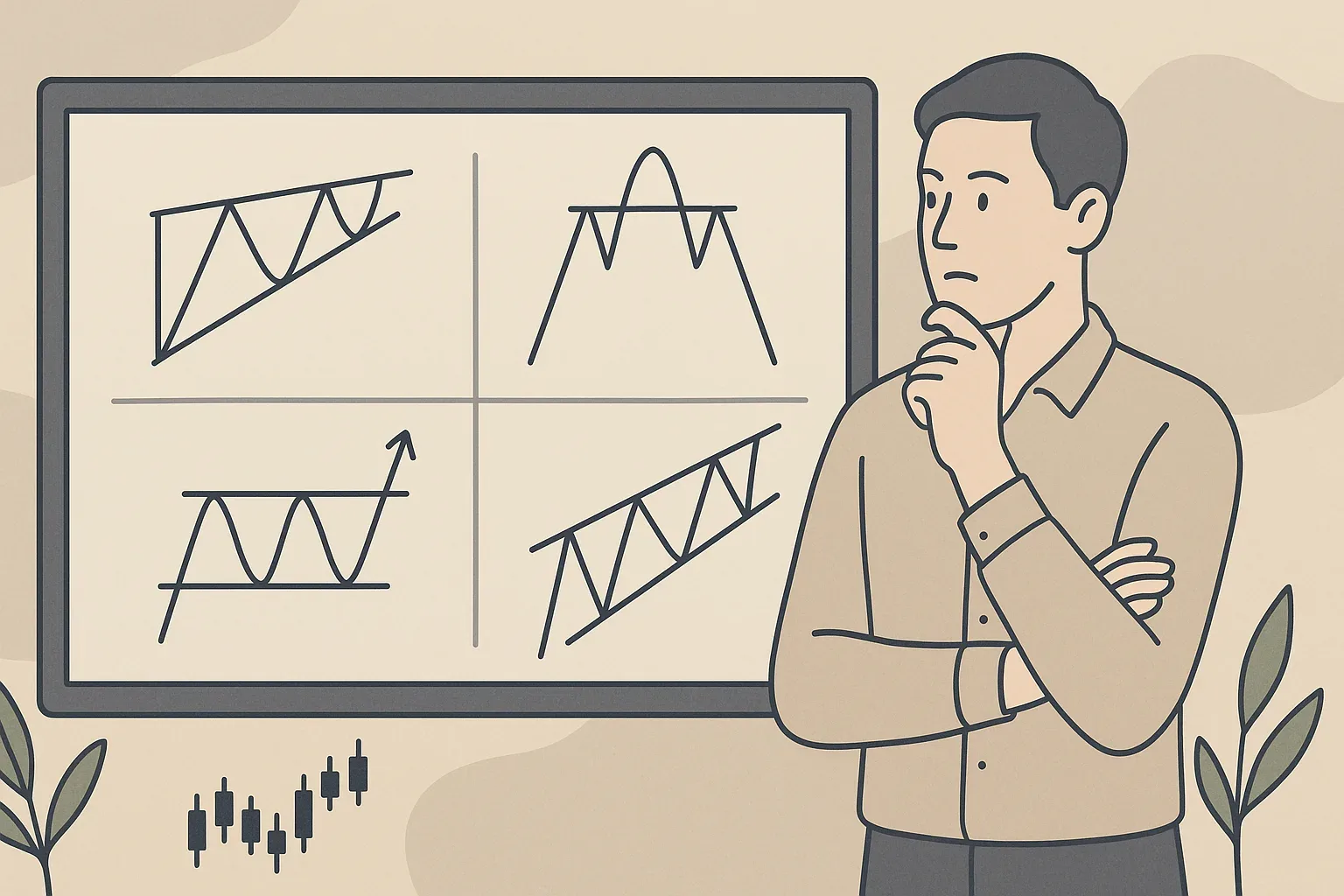
The trading platform is your primary interface with the market. It should be reliable, user friendly, and equipped with the tools necessary for your trading style. The most popular platforms in forex trading are MetaTrader 4 (MT4) and MetaTrader 5 (MT5), known for their extensive charting capabilities, technical indicators, and support for automated trading (Expert Advisors). cTrader is another widely used platform, praised for its advanced charting and order management features.
Many brokers also offer proprietary platforms. While these can be tailored to the broker's services, ensure they provide the functionality you need. Look for features such as advanced charting tools, a wide range of technical indicators, the ability to place various order types (market, limit, stop-loss, take-profit), real-time news feeds, and economic calendars. Mobile trading applications are also essential for managing trades on the go. If you are interested in using forex signals, ensure the platform allows for easy order entry based on signal parameters. You can learn more about how signals work by reading our guide on how forex signals work.
Which trading platform is best suited for my trading style and technical analysis needs?
The best platform depends on your individual needs. For comprehensive technical analysis and automated trading, MetaTrader 4 (MT4) or MetaTrader 5 (MT5) are industry standards, offering extensive customisation and a vast library of indicators and Expert Advisors. cTrader is often preferred by traders who value advanced charting and superior order execution. Consider testing demo accounts on different platforms to find one that feels intuitive and provides all the tools required for your specific trading strategy, whether it involves simple price action, complex indicator analysis, or the use of forex signals.
Customer Support and Educational Resources: Reliability When You Need It
Even the most experienced traders encounter technical issues or need clarification on account matters. Assess the availability of support (24/5 or 24/7), the channels offered (live chat, phone, email), and the responsiveness and helpfulness of their team. Test their support before depositing funds; a quick response to a query during a demo trade can give you confidence.
Additionally, good brokers often provide extensive educational resources. These can include webinars, video tutorials, articles, and glossaries that cover fundamental and technical analysis, trading strategies, and platform usage. Such resources are invaluable for both new and experienced traders looking to deepen their understanding of the markets and improve their skills. A robust demo account offering is also a key educational tool, allowing you to practise trading strategies and familiarise yourself with the platform in a risk-free environment.
Deposit and Withdrawal Methods: Convenience, Security, and Fees
The ease and security of depositing and withdrawing funds are practical considerations that can affect your trading experience. Check the available methods, which typically include bank transfers, credit/debit cards, and popular e-wallets such as Neteller, Skrill, or PayPal. Be aware of any associated fees, minimum and maximum transaction limits, and processing times for both deposits and withdrawals. Some brokers might offer instant deposits but take several days to process withdrawals. Prioritise brokers with transparent policies and a track record of processing withdrawals efficiently.
Verify that the deposit and withdrawal methods comply with your country's regulations and that the broker does not have a history of issues with fund transfers. For information on the fundamental aspects of signals, you can read our guide What are forex signals?
What deposit and withdrawal options are safe, fast, and cost effective?
Safe, fast, and cost effective deposit and withdrawal options often include credit and debit cards, as they are widely accepted and usually process deposits instantly, with withdrawals typically taking a few business days. E-wallets like Neteller, Skrill, and PayPal can offer very fast processing times for both deposits and withdrawals, often within hours, and usually have transparent fee structures. Bank transfers are generally secure for larger amounts but can be slower, taking several days to clear. Always check the specific fees and processing times directly on the broker's website, as these can vary significantly.
Evaluating Broker Reputation: Reviews, Warnings, and Due Diligence
Beyond regulatory status and trading conditions, a broker's reputation provides insight into their overall reliability and customer satisfaction. While online reviews should be read with a critical eye, consistent patterns of complaints or positive feedback can be indicative. Look for feedback regarding withdrawal issues, customer support responsiveness, and platform stability. It is also important to consider independent review sites and forums, but be mindful that not all reviews are unbiased.
Additionally, check for any warnings or alerts issued by financial regulators concerning the broker. Regulators often publish lists of unauthorised firms or consumer warnings about suspicious activities. Conduct your own due diligence by contacting the broker's customer support with test questions, exploring their website thoroughly, and using their demo account to assess the platform's functionality and execution quality.
Understanding the difference between forex signals and copy trading can also be part of your due diligence if you are considering these services. Our guide Forex Signals vs. Copy Trading provides more details.
How can I identify and avoid unreliable or scam forex brokers?
To identify and avoid unreliable or scam forex brokers, prioritise regulatory compliance above all else. Verify a broker's licence directly with the relevant financial regulator. Be wary of brokers that promise unrealistically high returns, offer unsolicited cold calls, or pressure you into depositing large sums quickly. Red flags include a lack of transparent fee structures, difficulty in withdrawing funds, poor or non-existent customer support, or generic website content without specific company details. Always check for negative reviews, especially those detailing withdrawal issues, and consult regulatory warning lists. If a deal seems too good to be true, it likely is.
Conclusion: Making Your Informed Decision with Confidence
Choosing a forex broker is a significant decision that requires careful consideration. Remember that your ideal broker is one that not only meets your technical trading needs but also provides a secure and reliable environment for your capital.
Take the time to research thoroughly, compare options, and test services with a demo account before committing your funds. Your vigilance in this process will lay a solid foundation for your forex trading journey. For more insights into trading profitability, consider reading Are Forex Signals Profitable?
Forex, CFDs, and leveraged products carry a substantial risk of loss. It is information, not advice, and leveraged trading can lose your entire balance.
Independent editorial. This site may in future carry advertising or affiliate links; any such relationship is disclosed on the page it affects. None applies to this article.