
Introduction to the Futures Market: What It Is and Why It Matters
While both futures and spot forex involve speculating on price movements, the underlying mechanics, regulatory frameworks, and specific opportunities differ significantly.
The futures market is a regulated exchange where participants buy and sell standardized contracts to deliver or receive a specific asset at a predetermined price on a future date. These assets can range from commodities like crude oil and gold to financial instruments such as stock indices, interest rates, and even foreign currencies. It offers a structured, transparent environment that contrasts sharply with the over-the-counter nature of spot forex.
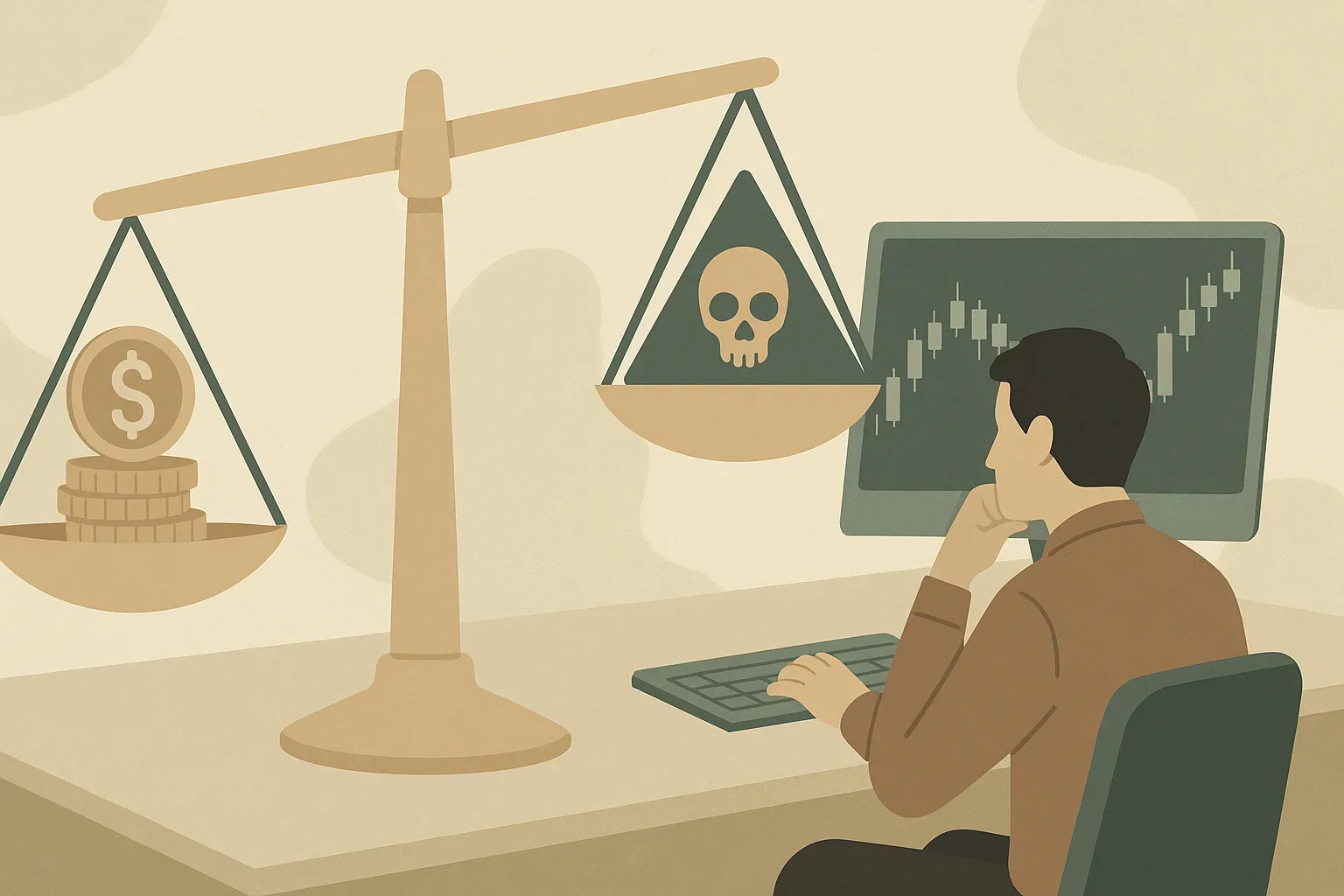
However, like all financial markets, futures trading carries substantial risks, particularly due to the leverage involved.
Futures vs. Forex: Key Differentiating Factors for Traders
These distinctions influence everything from liquidity and pricing to regulation and counterparty risk.
What fundamentally distinguishes the futures market from the spot forex market?
The primary distinction lies in their structure and regulation. The futures market is a centralized, exchange-traded market with standardized contracts, regulated by bodies like the Commodity Futures Trading Commission (CFTC) in the US. This provides a transparent environment where all participants see the same prices and order book depth. Spot forex, in contrast, is an over-the-counter (OTC) decentralized market, meaning transactions occur directly between participants through brokers, without a central exchange. While still heavily regulated in many jurisdictions, its pricing can vary slightly between brokers. Futures contracts also have a defined expiration date, leading to convergence with the underlying asset's spot price as expiration approaches, a feature absent in continuous spot forex trading.
Another key difference is settlement. Spot forex involves the near-instantaneous exchange of currencies (T+2 settlement, but usually immediate for retail), while futures contracts specify a future delivery date, which can involve either physical delivery of the underlying asset or, more commonly for retail traders, cash settlement. This distinction impacts how positions are managed near expiration. Spot forex, while having standard lot sizes, allows for more flexibility in transaction amounts, particularly with micro and mini lots.
Understanding Futures Contracts: Types, Specifications, and Expiration
A futures contract is a legally binding agreement to buy or sell a specific quantity of an underlying asset at a predetermined price on a specified future date.
What are the various types of futures contracts available, and how do their specifications impact trading?
Commodity futures include energy futures like crude oil and natural gas, metals futures such as gold and silver, and agricultural futures covering corn, wheat, and soybeans. Financial futures are another major category, comprising stock index futures (e.g., S&P 500 E-mini), interest rate futures (e.g., US Treasury bonds), and currency futures (e.g., Euro-USD). Single stock futures, while less common for retail traders, allow speculation on individual company stocks.
These include the contract size, which is the exact quantity of the underlying asset represented by one contract. For instance, one crude oil futures contract might represent 1,000 barrels. The tick value defines the minimum price fluctuation and its monetary equivalent, impacting profit and loss calculations. Expiration cycles specify the months in which contracts mature, typically quarterly or monthly, requiring traders to either close or roll over their positions before expiration. Finally, the settlement method, either physical delivery or cash settlement, determines how the contract is resolved. For most retail traders, financial futures are typically cash-settled, while some commodity futures may involve physical delivery, though this is usually avoided by closing positions before the delivery period. These specifications impact the capital required, the risk per contract, and the overall trading strategy.
How Futures Trading Works: Margin, Leverage, and Order Types
The operational mechanics of futures trading, particularly concerning margin and leverage, often differ from what forex traders are accustomed to. Understanding these differences is vital for effective risk management.
How do margin requirements, leverage, and contract settlements function in futures trading compared to forex?
In futures trading, margin is typically divided into initial margin and maintenance margin. Initial margin is the amount required to open a new futures position, while maintenance margin is the minimum equity that must be maintained in the account. If your account balance falls below the maintenance margin level, you will receive a margin call, requiring you to deposit additional funds or risk liquidation of your positions. Leverage in futures is inherent in the contract design, as a relatively small margin deposit controls a large notional value. For example, controlling a $100,000 E-mini S&P 500 futures contract with a $10,000 margin means 10:1 leverage, but this can vary daily.
Contract settlements in futures occur through a process called daily mark-to-market. At the end of each trading day, your account is credited or debited based on the daily price change of your open positions, reflecting your profits or losses in real-time. This ensures that margin levels are constantly updated. Most retail traders avoid physical delivery by closing positions before the first notice day or last trading day.
Order types in futures trading are similar to forex, including market orders, limit orders, stop orders, and stop-limit orders.
Benefits and Risks of Trading Futures for Forex Enthusiasts
Transitioning or diversifying into futures trading offers a unique set of advantages and disadvantages for a forex trader, necessitating careful evaluation.
What are the specific advantages and disadvantages for a forex trader considering diversification into the futures market?
For forex traders, the advantages of futures trading include a highly transparent and centralized market structure, meaning all participants trade on the same exchange with access to real-time price and volume data. This contrasts with the fragmented liquidity of the OTC forex market. Futures can also be a powerful tool for hedging existing forex exposures; for example, a trader with a long position in a foreign currency might use currency futures to mitigate exchange rate risk. The deep liquidity in major futures contracts, particularly E-mini index futures, ensures efficient order execution.
However, futures trading carries significant disadvantages. Futures contracts have expiration dates, introducing expiration risk and the need to manage or roll over positions, which can incur additional costs. The market can also be highly volatile, especially for certain commodities or during economic announcements, leading to sudden price swings. For example, a single E-mini S&P 500 contract represents a large notional value, making it unsuitable for very small trading accounts. The learning curve can also be steep, as understanding contract specifications, delivery months, and settlement procedures requires dedicated effort.
Common Strategies for Futures Trading
Many trading strategies employed in forex can be adapted to the futures market, though with considerations for the unique characteristics of futures contracts.
What practical strategies can be employed in futures trading, and how does one select a reliable futures broker?
Practical strategies for futures trading include trend following, where traders identify and follow the direction of prevailing market trends using technical indicators and price action. Scalping, which involves making many small profits from minor price changes throughout the day, is also popular, particularly in highly liquid contracts. Arbitrage strategies exploit price discrepancies between related futures contracts or between futures and the underlying spot market, though these often require sophisticated tools and rapid execution. Spread trading involves simultaneously buying one futures contract and selling another related contract to profit from changes in their price difference, which can be less directional and potentially lower risk. Hedging, as mentioned, is a fundamental use of futures, allowing businesses or traders to lock in prices for future transactions or mitigate exposure to adverse price movements in other assets.
The first criterion is robust regulation; ensure the broker is regulated by reputable authorities such as the CFTC and NFA in the United States, or equivalent bodies in other major financial centers. Next, evaluate the trading platform; it should offer fast execution, reliable data feeds, advanced charting tools, and support for various order types. Margin requirements also vary between brokers and contracts, so understand the initial and maintenance margins. Customer support responsiveness and the availability of educational resources are also important considerations, especially for traders new to futures. Many brokers offer simulated or demo accounts for futures trading, which are excellent tools for testing platforms and strategies without financial risk. You can also gain valuable insights by checking pre-market analysis provided by brokers, similar to what you might find at hotforexsignals-.com/blog/pre-market.
Choosing a Futures Broker: Essential Considerations
As noted, the choice of a futures broker significantly impacts your trading experience and security. Beyond regulation and fees, other factors come into play.
When assessing a futures broker, verify their regulatory standing first and foremost. In the US, this means ensuring they are registered with the National Futures Association (NFA) and regulated by the Commodity Futures Trading Commission (CFTC). Equivalent strong regulatory bodies exist in other countries. The trading platform should be robust and user friendly, offering direct market access (DMA) if possible, and compatible with your chosen trading style and analytical tools. Look for transparent pricing with competitive commissions per contract, clear data fees, and reasonable margin requirements that align with your risk tolerance and capital. Access to market data, including Level 2 data for order book depth, can be a significant advantage. Finally, responsive customer support and a track record of reliable withdrawals are indicators of a trustworthy broker. Always read reviews and conduct thorough due diligence, as you would when choosing a forex broker, referring to guides like how-to-choose-a-forex-broker for best practices.
Integrating Futures into Your Trading Portfolio: Diversification and Hedging
For a seasoned forex trader, futures markets present a compelling opportunity to enhance an existing trading portfolio, offering tools for both diversification and sophisticated risk management.
How can a forex trader effectively integrate futures trading to enhance or diversify their existing portfolio?
Integrating futures into a forex portfolio can significantly enhance diversification by introducing exposure to entirely different asset classes that may not be directly correlated with currency movements. For instance, if your primary forex strategy focuses on currency pairs, adding positions in S&P 500 E-mini futures or gold futures can spread your risk across different economic drivers and market dynamics. During periods of heightened market uncertainty, commodities like gold often act as safe havens, potentially offsetting losses in riskier currency pairs. This diversification reduces overall portfolio volatility and reliance on a single market segment.
Futures also provide robust hedging capabilities. A forex trader with a significant long exposure to, for example, the Japanese Yen through their forex positions could use JPY futures contracts to hedge against potential adverse movements in the Yen. By taking an opposing position in currency futures, they can mitigate the risk of depreciation, effectively locking in a future exchange rate. This strategy is particularly valuable for traders with long term currency exposures or those managing multi-asset portfolios. Always consider risk management across both markets when integrating them, ensuring your overall leverage and exposure remain within acceptable limits.
Conclusion: Is Futures Trading the Next Step for You?
The futures market offers a structured, transparent, and diverse environment that can complement and enhance a forex trader's portfolio. Its centralized nature, wide range of tradable assets, and robust hedging capabilities present compelling reasons for exploration. However, the unique mechanics of futures, including distinct margin requirements, expiration risks, and high leverage, demand a thorough understanding and a disciplined approach.
For forex enthusiasts, the decision to venture into futures trading should be made with careful consideration, comprehensive education, and rigorous practice, preferably on a demo account. It is not merely a different instrument but a distinct market landscape that requires adaptation of strategies and risk management techniques.
Remember, futures, forex, and leveraged products carry a substantial risk of loss. It is information, not advice, and leveraged trading can lose your entire balance.
Independent editorial. This site may in future carry advertising or affiliate links; any such relationship is disclosed on the page it affects. None applies to this article.