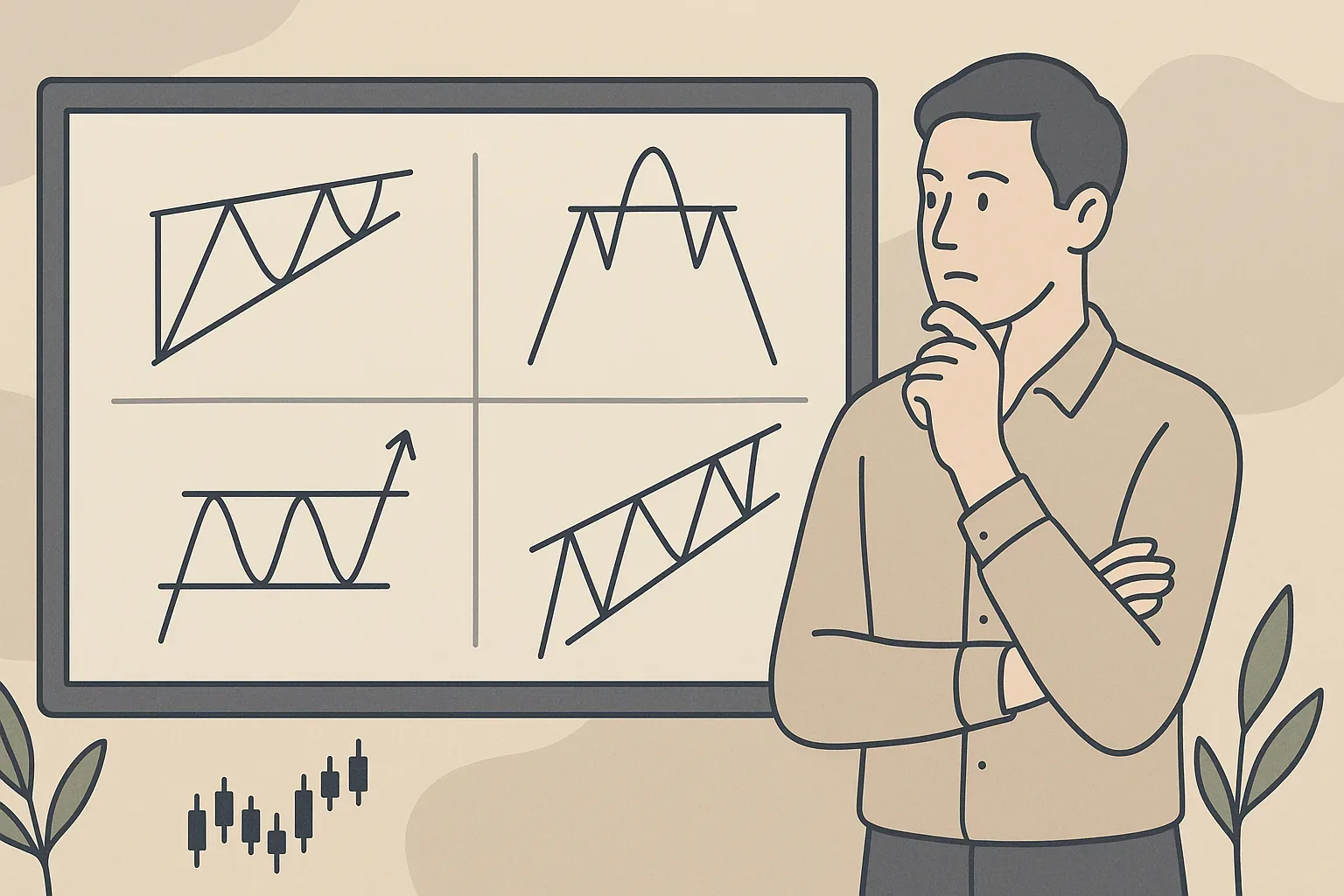

Introduction: Navigating the Dynamics of Forex Market Risk Exposure
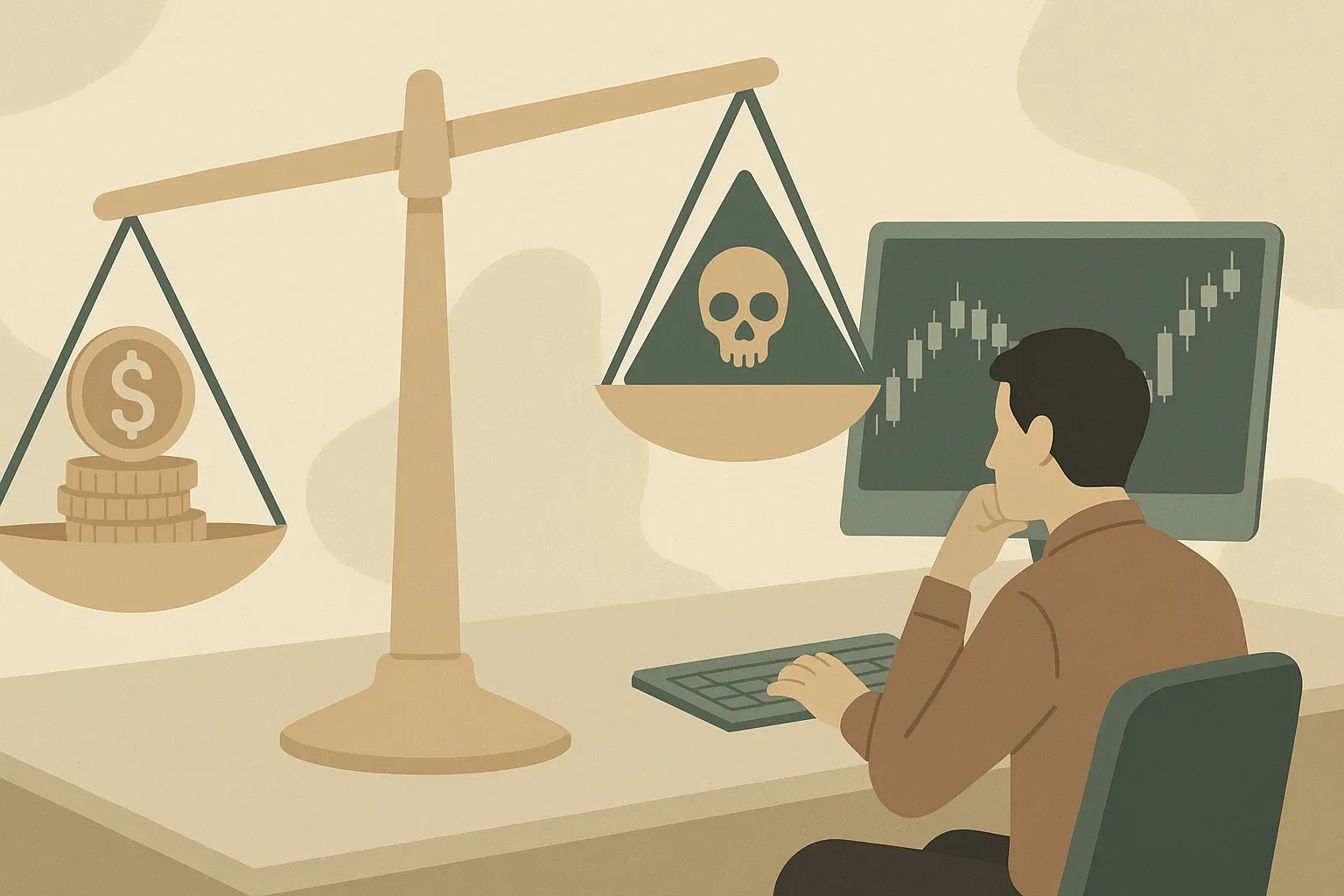
However, with great opportunity comes inherent risk. For any participant, from novice individual traders to seasoned institutional investors, understanding and actively managing forex market risk exposure is not merely an option, but a fundamental prerequisite for long term success.
Our goal is to equip you with the knowledge and practical strategies needed to navigate the complexities of currency trading with greater security and enhance the profitability of your trading endeavors.
It is information, not advice, and leveraged trading can lose your entire balance.
Understanding Forex Market Risk Exposure: A Trader's Foundation
Forex market risk exposure refers to the potential for loss in a trader's capital due to adverse movements in currency exchange rates. It encompasses all factors that can negatively impact the value of open positions or an overall trading portfolio. This exposure is not static; it constantly changes with market dynamics, economic releases, geopolitical events, and even a trader's own decisions regarding position size and leverage.
Without a solid understanding of risk exposure, traders are essentially operating blind, susceptible to unexpected market shifts that can wipe out their capital quickly.
What exactly constitutes 'forex market risk exposure' and why is it crucial for every forex trader?
Forex market risk exposure is the susceptibility of a trader's capital to potential losses stemming from unfavorable fluctuations in currency exchange rates. It encompasses all potential financial downturns that can arise from holding open currency positions. Understanding and managing this exposure allows traders to preserve capital, control losses, and ensure the sustainability of their trading activities.
Key Types of Risk Exposure in the Forex Market
The forex market presents a multifaceted risk landscape.
Market Risk (Price Risk): This is the most direct form of risk, stemming from adverse movements in currency prices. Volatility, sudden price gaps, and trends moving against your position all contribute to market risk. Leverage Risk: While leverage amplifies potential profits, it equally magnifies potential losses. High leverage can quickly lead to margin calls and account depletion if the market moves even slightly against a position. Liquidity Risk: This refers to the risk that a currency pair cannot be bought or sold quickly enough at a fair price due to a lack of willing buyers or sellers. A higher interest rate generally strengthens a currency, while a lower rate weakens it. Traders holding positions in currencies affected by these changes face interest rate risk. Major global events, such as financial crises or widespread geopolitical instability, can trigger systemic risk, affecting all currency pairs. Counterparty Risk: This is the risk that the other party to a financial transaction will not fulfill their obligations. In forex, this typically relates to the broker. Operational Risk: This encompasses risks arising from failures in internal processes, people, systems, or external events. Examples include technical glitches on a trading platform, human error in placing trades, or cybersecurity breaches.
What are the primary types of risk exposure forex traders commonly encounter and how do they differ?
Forex traders primarily encounter market risk, leverage risk, liquidity risk, interest rate risk, systemic risk, counterparty risk, and operational risk. Market risk is direct price fluctuation risk. Leverage risk magnifies both gains and losses. Liquidity risk is the inability to execute trades at desired prices due to insufficient market depth. Interest rate risk arises from central bank policy changes impacting currency values. Systemic risk is broader, affecting the entire market during crises. Counterparty risk involves the other party in a trade, typically the broker, failing to fulfill obligations. Operational risk covers internal failures like system errors or human mistakes.
Identifying and Assessing Your Forex Market Risk Exposure
Effective risk management begins with accurately identifying and assessing the various risks present in your trading.
Unexpected breaches of these levels can signal increased risk. Fundamental Analysis: Economic news releases, central bank announcements, and geopolitical events are significant drivers of currency movements. You can learn more about these influences by reading about forex market trends and pre-market analysis. Correlation Analysis: Currencies do not move in isolation. Some pairs are positively correlated (move in the same direction), while others are negatively correlated (move in opposite directions). Trading highly correlated pairs in the same direction can inadvertently increase your overall exposure. For example, simultaneously buying EUR/USD and GBP/USD effectively doubles your exposure to USD strength or weakness. Are you a conservative trader seeking small, consistent gains, or do you have a higher appetite for risk in pursuit of larger profits? Your risk profile should dictate your position sizing, leverage usage, and the types of strategies you employ.
How can a forex trader effectively identify and quantify their current market risk exposure using various tools and indicators?
A forex trader can identify and quantify market risk exposure through several methods. Fundamental analysis requires monitoring economic calendars, news events, and geopolitical developments that can trigger sudden market shifts. Correlation analysis helps identify how different currency pairs move in relation to each other, preventing over-exposure to related assets. Quantifying involves calculating potential loss per trade based on stop-loss levels and position size, often expressed as a percentage of capital, and using tools like Value at Risk (VaR) for portfolio-level assessment, though VaR is more common for institutional players.
Practical Methods for Measuring Forex Risk: From VaR to Position Sizing
Once identified, risk needs to be measured to be effectively managed. Traders employ various practical methods to quantify their potential losses.
Value at Risk (VaR): VaR is a statistical measure used to estimate the maximum potential loss over a specific time horizon for a given confidence level. For example, a 1-day 95% VaR of $1,000 means there is a 5% chance of losing more than $1,000 in a single day. While more commonly used by institutions, the concept provides a framework for understanding potential downside. Stop-Loss Orders: These are essential tools. A stop-loss order automatically closes a trade when the price reaches a predetermined level, limiting potential losses. Take-Profit Orders: Conversely, take-profit orders close a trade automatically when the price reaches a desired profit level. This helps lock in gains and prevents greed from eroding profits if the market reverses. Position Sizing: Perhaps the most critical risk management tool for individual traders. Position sizing determines the number of units or lots to trade based on your account size and risk tolerance. Common approaches include fixed dollar risk (e.g., risking no more than $50 per trade), fixed fractional risk (e.g., risking 1-2% of your account per trade), or more complex methods like the Kelly criterion. This is a fundamental concept across all markets, including the futures market. Risk-to-Reward Ratio: This ratio compares the potential profit of a trade to its potential loss. A common strategy is to aim for a minimum 1:2 or 1:3 risk-to-reward ratio, meaning you stand to gain at least two or three times what you risk. This ensures that even with a win rate below 50%, you can still be profitable. Margin is the capital required to open and maintain a leveraged position. When your account equity falls below the margin maintenance level, a margin call occurs, prompting you to deposit more funds or face automatic liquidation of positions.
Effective Strategies for Managing and Mitigating Forex Market Risk
Identifying and measuring risk are passive steps; active management and mitigation are what protect your capital and foster consistent profitability.
Diversification: Do not put all your capital into a single currency pair or strategy. Diversify across different pairs, including majors, minors, and potentially exotics, to spread risk. However, be mindful of correlations to avoid accidental over-exposure. Hedging: This involves taking an opposing position to offset potential losses in an existing trade. For example, if you are long EUR/USD, you might short another euro-denominated pair or buy a currency option to protect against a significant euro decline. Hedging can be complex and adds transaction costs but can be effective for large positions. Conservative Leverage Use: While brokers offer high leverage, it is prudent to use it sparingly, especially for new traders. Limiting your effective leverage (e.g., 1:10 or 1:20 even if 1:500 is available) significantly reduces the risk of rapid account depletion. Strict Stop-Loss and Take-Profit Discipline: Always use stop-loss orders on every trade and never move them further away from your entry point once the trade is active. Adjust them only to lock in profits (trailing stops). Similarly, use take-profit orders to secure gains. Trade Journaling: Maintain a detailed record of all your trades, including entry/exit points, reasons for the trade, market conditions, and the outcome. This helps identify recurring mistakes and refine your strategies over time. Emotional Discipline: Fear and greed are powerful emotions that can sabotage even the best trading plans. Stick to your predefined risk management rules, avoid revenge trading after a loss, and do not let FOMO (Fear Of Missing Out) lead you into impulsive trades. Mastering your psychology is a continuous process.
What practical, actionable strategies and techniques can forex traders employ to manage and mitigate their risk exposure?
Forex traders can employ several practical strategies to manage and mitigate risk exposure. These include strictly using stop-loss orders on every trade to define maximum acceptable loss, implementing consistent position sizing rules (e.g., risking no more than 1-2% of capital per trade), and maintaining a favorable risk-to-reward ratio, aiming for potential profits significantly larger than potential losses. Traders should also diversify across different currency pairs to avoid over-exposure, consider hedging strategies for larger portfolios, and use leverage conservatively. Maintaining a detailed trade journal for continuous learning and practicing emotional discipline to stick to the trading plan are also vital techniques.
The Role of Brokers and Trading Platforms in Risk Exposure Management
Your choice of broker and trading platform significantly influences your ability to manage risk effectively. Reputable brokers and robust platforms offer features and policies designed to protect traders.
Regulatory Oversight and Segregated Funds: A regulated broker operates under strict rules that protect client funds, often requiring segregation of client accounts from the broker's operational capital. This ensures your money is safe even if the broker faces insolvency. Always choose a regulated broker. Margin Call Policies: Brokers have clear margin policies. Guaranteed Stop Losses: Some brokers offer guaranteed stop losses, which ensure your trade is closed at your specified price even during volatile market conditions or price gaps, for which a premium is typically charged. This can be invaluable in mitigating gap risk. Trading Platform Features: Modern trading platforms like MetaTrader 4 (MT4) or MetaTrader 5 (MT5) provide a suite of tools for risk management. These include one-click order execution, customizable stop-loss and take-profit levels, pending orders, and alerts for price movements. These features enable precise risk control. Trading signals can also aid in risk management if they come with clear entry, stop-loss, and take-profit levels; you can learn more about how forex signals work. These resources help traders understand market dynamics and implement effective strategies. For more information, read our guide on how to choose a forex broker.
How do reputable forex brokers and trading platforms assist traders in managing their market risk?
Reputable forex brokers and trading platforms assist traders in managing market risk through several mechanisms. Brokers adhere to regulatory standards, ensuring client fund segregation and transparent trading conditions. They provide defined margin call and stop-out policies to prevent negative balances. Some may even offer guaranteed stop losses for an extra fee, protecting against slippage during high volatility. Trading platforms offer essential risk management tools, including easy placement of stop-loss and take-profit orders, various pending order types, real-time account monitoring, and customizable alerts.
Common Pitfalls and Best Practices in Forex Risk Management
Even with a sound understanding of risk, traders often fall prey to common mistakes.
Neglecting Stop-Loss Orders: Trading without a stop-loss is akin to driving without brakes. It exposes your account to unlimited losses. Inconsistent Position Sizing: Varying your position size erratically, especially increasing it after losses to 'get back' lost money, is a fast track to ruin. Revenge Trading: After a losing trade, trying to immediately open another trade to recoup losses, often with larger positions or less analysis, usually leads to further losses. Ignoring Fundamental News: Disregarding major economic announcements can expose positions to sudden, unpredictable, and often violent market movements. Emotional Trading: Letting fear, greed, or impatience dictate trading decisions rather than a well-thought-out plan. Trading without proper capitalisation: Entering the market with insufficient capital means every small drawdown feels catastrophic, leading to poor decisions.
Best Practices: Consistent Risk Per Trade: Always define and stick to a maximum risk percentage per trade (e.g., 1% or 2% of your account). Use a small percentage initially, especially if you are new to the market. Demo Trading: Practice your risk management strategies in a demo account before risking real capital. This allows you to test different approaches and get comfortable with your platform without financial exposure. Continuous Learning: The market is dynamic. Stay updated on market trends and refine your risk management techniques constantly. Develop a Trading Plan: A comprehensive trading plan should include your strategy, entry/exit rules, and detailed risk management protocols. Stick to this plan rigorously. Regular Review: Periodically review your trading performance and risk management effectiveness. Identify areas for improvement and adjust your plan as needed. For example, if you are trading many GBP pairs, you have significant exposure to UK economic data and political events.
What are the most common mistakes traders make regarding risk exposure, and how can they be avoided to foster better trading habits?
The most common mistakes traders make regarding risk exposure include over-leveraging, neglecting to use stop-loss orders, inconsistent position sizing, engaging in revenge trading, ignoring fundamental news events, and letting emotions dictate trading decisions. These can be avoided by adopting best practices such as consistently risking a small, fixed percentage of capital per trade (e.g., 1-2%), always setting a stop-loss order, using a demo account to practice risk management strategies, developing and adhering to a comprehensive trading plan, and continuously learning and reviewing trading performance.
Mastering Forex Market Risk: Key Takeaways for Traders
Mastering forex market risk exposure is an ongoing journey that differentiates successful traders from those who struggle. It is not about eliminating risk entirely, which is impossible, but about understanding it, quantifying it, and controlling it to acceptable levels.
- Risk exposure is inherent in forex trading; your ability to identify, measure, and manage it directly impacts your long term success.
- Familiarize yourself with various types of risk, including market, leverage, liquidity, interest rate, systemic, counterparty, and operational risks.
- Utilize both technical and fundamental analysis, alongside correlation analysis and self-assessment of your risk tolerance, to identify current and potential exposures.
- Employ practical measurement tools such as position sizing, stop-loss orders, and understanding risk-to-reward ratios on every trade.
- Actively manage risk through strategies like conservative leverage, diversification, hedging (if appropriate for your scale), and strict adherence to your trading plan.
- Choose a reputable, regulated broker and leverage the risk management features offered by your trading platform.
- Avoid common pitfalls such as over-leveraging, trading without stop losses, and emotional decision-making. Focus on consistent, disciplined practices.
By integrating these principles into your daily trading routine, you can transform risk from an unpredictable threat into a manageable variable, paving the way for more secure and potentially more profitable trading strategies.
Conclusion: Building Resilience in Your Forex Trading Journey
The forex market is a dynamic arena, fraught with opportunities and challenges. While the allure of quick profits can be strong, sustainable success hinges on a deep respect for, and active management of, risk exposure. This guide has provided you with a comprehensive framework to understand, identify, measure, and mitigate the various risks inherent in currency trading.
Embrace a disciplined approach to risk management, make it an integral part of every trading decision, and continuously seek to refine your understanding. This commitment to risk control will not only protect your capital but also foster the psychological resilience and clarity needed to navigate market fluctuations and achieve your trading objectives effectively. Your journey in forex will be marked by inevitable ups and downs, but with robust risk management, you can ensure your capital endures, and your strategy evolves towards sustained profitability.
Forex, CFDs, and leveraged products carry a substantial risk of loss. It is information, not advice, and leveraged trading can lose your entire balance.
Independent editorial. This site may in future carry advertising or affiliate links; any such relationship is disclosed on the page it affects. None applies to this article.