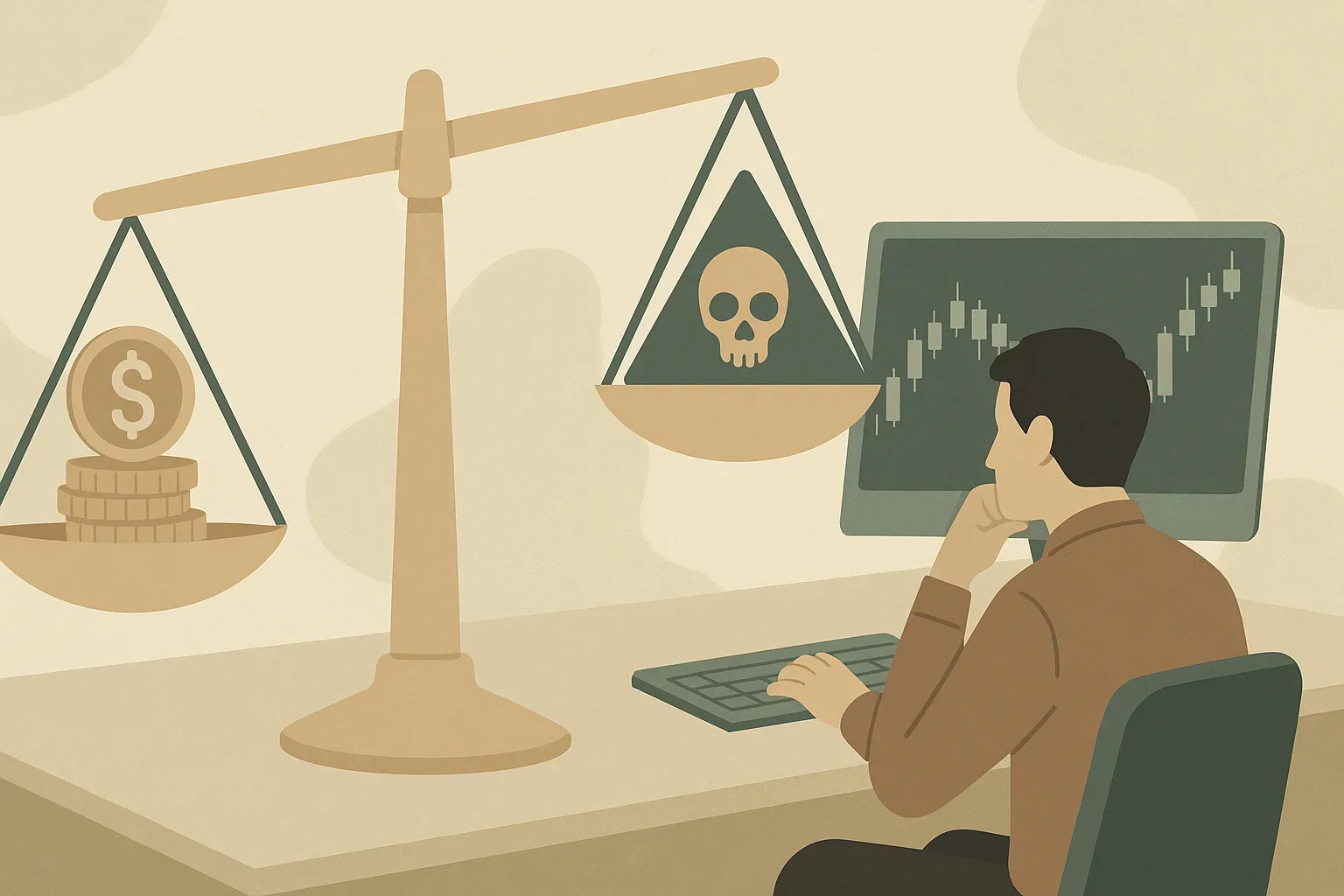
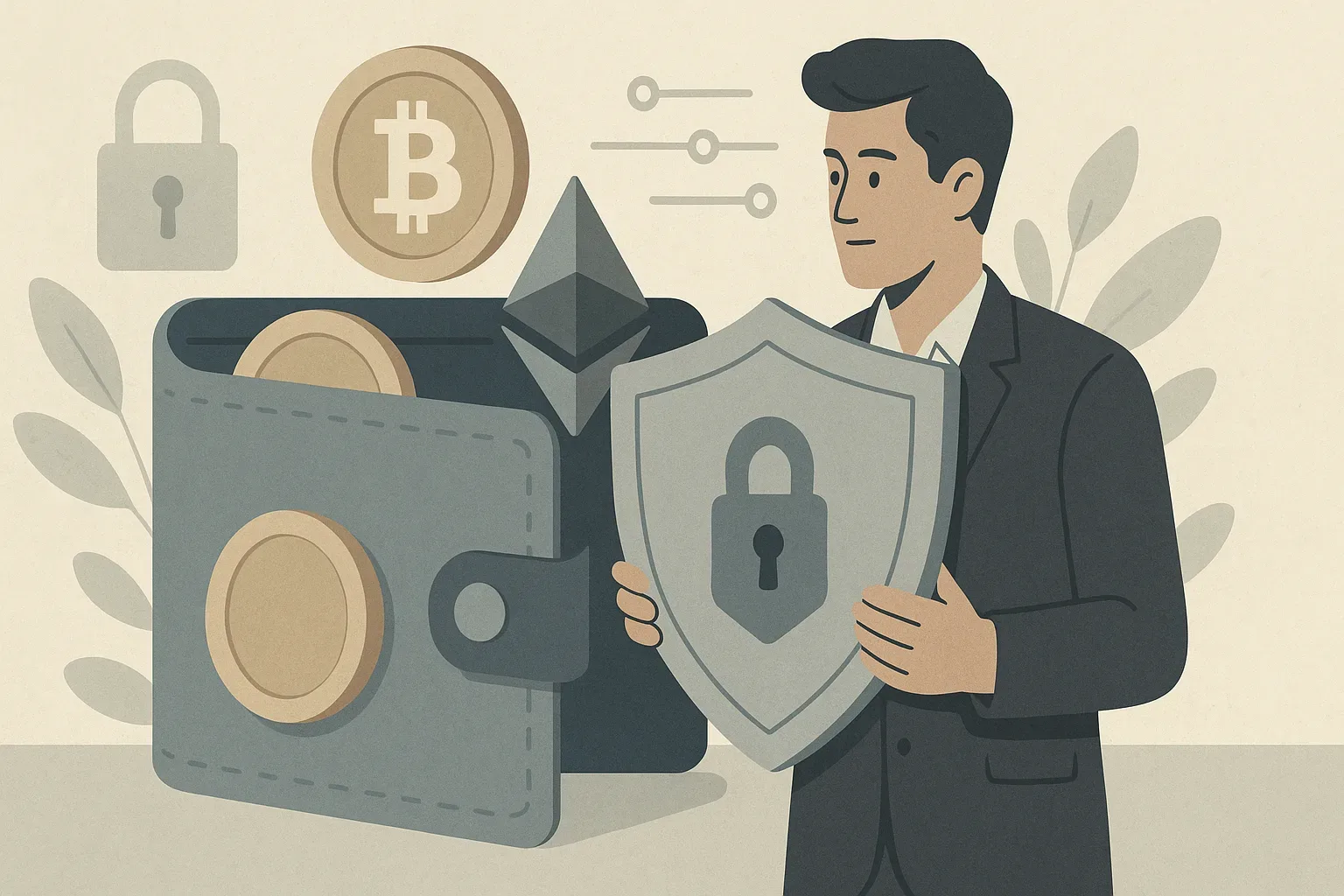
Introduction: Protecting Your Digital Assets in the Volatile Crypto Market
Unlike traditional banking where institutions primarily bear the burden of security, in crypto, the onus often falls squarely on the individual.
This guide provides a practical, in depth look at cryptocurrency wallet security, specifically tailored for those actively engaged in trading and investing.
This guide offers information, not financial advice.
Understanding Cryptocurrency Wallet Security: A Trader's Perspective
Owning the private key means owning the crypto. Losing it, or having it compromised, means losing control of your funds forever.
For traders and investors, the stakes are exceptionally high.
The security posture of your wallet determines its resilience against various attack vectors, from simple phishing attempts to complex malware infections or even physical theft.
Hot vs. Cold Wallets: A Security Comparison for Your Digital Assets
For active traders versus long term investors, the choice of wallet type, or often a combination thereof, hinges on balancing security with the need for liquidity and transaction speed.
What are the fundamental differences in security between hot and cold wallets, and which is better for active traders versus long term investors?
Hot wallets are cryptocurrency wallets that are connected to the internet. They include web wallets, mobile wallets, and desktop wallets, as well as exchange-hosted wallets. Examples include MetaMask, Exodus, and most exchange wallets.
Hardware wallets like Ledger and Trezor are the most common type of cold wallet.
For active traders, a hybrid approach is often optimal. They might keep a smaller portion of their portfolio in a highly secure hot wallet (like a reputable exchange or a well-secured mobile wallet with strong 2FA and whitelisting) for immediate trading opportunities. The vast majority of their assets, especially those not intended for immediate trading, should be stored in a cold wallet. This balances the need for quick access with robust security for the bulk of their capital. long term investors who plan to hold assets for extended periods (often referred to as 'HODLers') should prioritize cold storage. A hardware wallet is ideal for them, providing maximum protection against online threats and allowing them to set it aside for years without concern for digital breaches, provided the seed phrase is securely backed up and stored offline.
Common Threats to Your Crypto Holdings: Identifying and Preventing Attacks
The cryptocurrency landscape is a constant battleground between users protecting their assets and malicious actors attempting to steal them. Understanding the prevalent threats is the first step towards effective prevention. Traders, with their often substantial holdings and frequent activity, must be particularly vigilant.
What are the most common attack vectors targeting cryptocurrency wallets, and what specific preventative measures can traders implement?
This involves attackers masquerading as legitimate entities (exchanges, wallet providers, support staff) to trick users into revealing their private keys, seed phrases, or login credentials. Always assume any request for your private key or seed phrase is a scam.
Regularly scan your devices for malware.
While not directly targeting your wallet, storing large amounts of crypto on centralized exchanges means entrusting your assets to a third party. Always enable all security features offered by exchanges, such as two-factor authentication and withdrawal address whitelisting.
This grants them access to accounts secured by SMS-based two-factor authentication (2FA) or password reset functions linked to your phone number. Additionally, set a strong PIN or password on your mobile carrier account to prevent unauthorized SIM changes.
Seed Phrase Compromise or Loss is arguably the most devastating threat. Your seed phrase (recovery phrase) is the master key to your wallet, capable of regenerating your private keys. If it's lost, stolen, or revealed to an attacker, your funds are gone. Preventing this requires meticulous offline storage of your seed phrase, never digitizing it (e.g., taking a photo, storing it in a cloud drive), never sharing it with anyone, and ideally, storing multiple copies in physically secure, geographically separated locations. Testing your recovery phrase periodically with a small amount of crypto on a new wallet can also confirm its integrity.
Supply Chain Attacks, particularly relevant for hardware wallets, involve adversaries tampering with devices during manufacturing or shipping. This could mean pre-installing malicious software or altering the hardware itself. To prevent this, always purchase hardware wallets directly from the official manufacturer's website. Inspect the packaging for any signs of tampering upon arrival and always verify the device's authenticity and firmware integrity as per the manufacturer's instructions before setting it up and transferring funds.
Essential Security Practices for Software and Hardware Wallets
Beyond the fundamental need for strong passwords, a comprehensive approach is required for both software and hardware wallets.
Beyond strong passwords, what essential security practices should every crypto trader adopt for both software and hardware wallets?
For all types of wallets, several practices are non-negotiable. Always prioritize authenticator apps (like Google Authenticator or Authy) which generate time-based one-time passwords (TOTP) over SMS-based 2FA, due to the risk of SIM swapping. For critical accounts, consider hardware 2FA keys like YubiKey for the strongest protection. Secondly, secure seed phrase management is vital. Your recovery phrase must be stored offline, never digitized, and ideally kept in multiple secure, discreet locations. Consider using a metal plate to engrave or stamp your seed phrase for fire and water resistance. It is also wise to periodically test your recovery phrase with a minimal amount of crypto to ensure it works, using a new, temporary wallet.
Thirdly, regular software updates for your operating system, web browser, wallet applications, and antivirus software are essential to patch known vulnerabilities that attackers could exploit. Fourthly, always double-check recipient addresses before confirming any transaction. Malware can silently alter addresses in your clipboard, so a quick visual check is not enough. For larger transactions, send a small test amount first or verbally confirm the address if possible. Fifthly, consider an “air-gapped” approach for significant holdings; this involves using a dedicated, offline computer for generating and signing transactions, minimizing its exposure to online threats. Sixthly, educate yourself continuously on the latest security threats and best practices. Staying informed is your best defence. For a broader understanding of general online security principles that complement crypto wallet protection, you can refer to resources like hotforexsignals-.com/blog/security.
This creates a hidden wallet accessible only with the passphrase, adding an extra layer of deniability and protection even if your main PIN or seed is compromised. Always ensure physical security of the device itself, storing it in a safe place away from unauthorized access. Avoid purchasing hardware wallets from third-party resellers; buy directly from the manufacturer to mitigate supply chain attack risks.
For software wallets (desktop or mobile), ensure you download them only from official sources, such as the wallet provider's website or verified app stores. Implement a strong firewall and maintain robust antivirus and anti-malware protection. For desktop wallets, encrypt your wallet files and back them up regularly. If using a mobile wallet, ensure your device has strong lock screen security, avoid public Wi-Fi for transactions, and be mindful of app permissions.
Advanced Strategies for Maximizing Your Wallet's Protection
For traders and investors with substantial crypto portfolios, moving beyond basic security measures to advanced strategies offers an even greater shield against sophisticated attacks. These methods prioritize resilience and redundancy.
Multi-Signature (Multi-Sig) Wallets require multiple private keys to authorize a transaction. For example, a 2-of-3 multi-sig wallet needs any two out of three designated private keys to sign a transaction. This is ideal for shared accounts, corporate funds, or individuals who want to distribute key control to prevent a single point of failure. If one key is compromised or lost, funds remain safe. Multi-sig significantly enhances security but adds complexity to transaction execution.
Hierarchical Deterministic (HD) Wallets are standard now, generating multiple addresses from a single seed phrase. Building on this, the passphrase feature (25th word) offered by many hardware wallets allows you to derive an entirely new, independent set of wallets from your existing seed phrase, protected by an additional word or phrase. This creates a "hidden" wallet, providing an extra layer of security. If your main seed phrase is discovered without the passphrase, an attacker would only find an empty or decoy wallet, while your true assets remain safe in the hidden wallet.
Shamir Secret Sharing (SSS) is a cryptographic technique that splits a secret (like your seed phrase) into multiple unique parts, or "shares." A predefined number of these shares (e.g., 3 out of 5) are required to reconstruct the original secret. This allows you to distribute your seed phrase backups across different locations or trusted individuals, dramatically reducing the risk of a single point of failure and making it harder for an attacker to gain access by compromising just one share.
Consider employing Decoy Wallets, also known as "honey pots." These are wallets holding a small, inconsequential amount of crypto, deliberately made discoverable. If an attacker manages to compromise one of your lesser-secured devices or accounts, they might find and drain this decoy wallet, leading them to believe they've succeeded, while your substantial holdings remain safe in your deeply secured primary wallets. For your hardware wallets and seed phrase backups, investing in robust physical security measures like fireproof and waterproof safes, safety deposit boxes, or secure vaults is a wise investment, especially for very large sums. Finally, schedule regular security audits of your entire setup. Review your wallet types, backup locations, 2FA methods, and overall digital hygiene periodically to identify and address any potential vulnerabilities.
How can traders balance the need for quick access to funds with robust security measures for their cryptocurrency portfolios?
Balancing quick access with robust security is a critical challenge for active traders. The optimal strategy involves a tiered approach to asset allocation. Traders should keep a small, actively traded portion of their portfolio in a highly secured hot wallet or on a reputable exchange. This 'working capital' should be the minimum necessary for daily or weekly trading activities, and protected with the strongest possible 2FA (hardware key or authenticator app) and withdrawal address whitelisting. A slightly larger, but still relatively liquid, portion can be held on a hardware wallet that is kept readily accessible, allowing for offline transaction signing within minutes when needed for swing trades or rebalancing.
The vast majority of a trader's capital, especially long term holdings or significant profits, should reside in deep cold storage, such as a hardware wallet secured in a safe, a multi-sig setup, or using Shamir Secret Sharing. This approach ensures that while immediate funds are available for market movements, the core portfolio is largely immune to online threats. This strategy emphasizes planning transactions, pre-setting withdrawal limits, and whitelisting trusted addresses on exchanges, all of which enhance security without completely hindering accessibility. It requires discipline and a clear understanding of which assets are for active trading and which are for long term holding.
Creating an Incident Response Plan: What to Do If Your Wallet is Compromised
Despite all precautions, the unfortunate reality is that a cryptocurrency wallet can sometimes be compromised. Time is of the essence in these situations.
What immediate steps should be taken if a cryptocurrency wallet is suspected of being compromised or funds are lost?
The very first and most immediate step is to act swiftly. If you suspect a compromise, time is critical. Your priority is to transfer any remaining uncompromised funds to a new, secure wallet or a trusted cold storage solution. Do this immediately, even before fully understanding the nature of the attack, as further assets could be at risk. This requires having a secondary, secure wallet ready in advance.
Next, isolate the threat. If the compromise originated from a device (e.g., malware on your computer), disconnect it from the internet. If an exchange account was breached, attempt to freeze or lock the account by contacting their support immediately. Identify the potential compromise vector. Try to recall any recent suspicious activities: did you click a strange link, download an unusual file, or log into a website that looked slightly off? This information will be vital for further steps and future prevention.
Document everything. Record all relevant details: the exact time of the incident, the amount of funds lost, transaction IDs, your wallet addresses, the attacker's wallet addresses (if known), and any suspicious emails or URLs. Take screenshots if possible.
Notify relevant parties. If an exchange or a specific wallet provider was involved or affected, contact their customer support immediately to report the incident. While law enforcement may have limited means to recover crypto, filing a police report is still advisable, as it creates an official record of the crime. Also, change passwords on all related accounts, especially your email, exchange accounts, and any other financial services, assuming they might also be compromised or targeted.
Finally, secure all your other accounts and devices. Enable 2FA on every account that offers it. If malware is suspected, consider a complete wipe and reinstall of your operating system on the affected device, or even replacing it. After the immediate crisis is addressed, conduct a thorough post-mortem analysis. Understand exactly how the compromise occurred to prevent recurrence. This includes reviewing your security practices, updating software, and reinforcing your knowledge of common threats. Learning from the incident, no matter how painful, is essential for long term security.
Selecting the Optimal Wallet Security Setup for Traders and Investors
Choosing the 'best' wallet security setup is not a one-size-fits-all solution; it depends heavily on your individual circumstances as a trader or investor. Factors such as the size of your capital, your trading frequency, your personal risk tolerance, and your technical proficiency all play a significant role in determining the optimal blend of security and accessibility. The key is to create a layered defence strategy that evolves with your portfolio and understanding of the market.
For an aggressive day trader, managing the highest risk tolerance and liquidity needs, a multi-tiered approach is essential. A larger portion of actively traded assets could be on a hardware wallet that is easily accessible but still physically secured. The vast majority of their long term holdings or profits should be in cold storage, potentially a multi-sig hardware wallet setup or a device stored in a safety deposit box.
For a long term investor (HODLer), the emphasis shifts almost entirely to cold storage. A single, reputable hardware wallet, with the seed phrase meticulously backed up using robust physical methods (e.g., engraved metal plates) and stored in multiple, geographically dispersed, secure locations, is ideal. Multi-sig could be an added layer for extremely large portfolios. These investors rarely need quick access, so the inconvenience of cold storage is a negligible trade-off for maximum security. Ultimately, the optimal setup is dynamic. It should be regularly reviewed and adapted to market conditions, technological advancements, and your evolving financial circumstances. Education, vigilance, and the adoption of new security practices are continuous processes in the journey of securing digital assets.
Conclusion: Fortifying Your Digital Assets for a Secure Future
The journey through cryptocurrency wallet security is complex, but it is a journey every trader and investor must undertake with diligence. From understanding the fundamental differences between hot and cold wallets to recognizing the sophisticated attack vectors employed by malicious actors, and implementing advanced protective measures, each step fortifies your digital fortress. The digital realm offers immense opportunities, but also demands personal responsibility for asset protection.
By adopting a multi-layered security approach – balancing accessibility with robust protection, regularly updating your knowledge and tools, and preparing an incident response plan – you can significantly mitigate risks. Remember that security is not a one-time setup but an ongoing process of vigilance and adaptation. Your digital assets represent your hard-earned capital; treat their security with the utmost seriousness.
This guide offers information, not financial advice.
Independent editorial. This site may in future carry advertising or affiliate links; any such relationship is disclosed on the page it affects. None applies to this article.