Introduction: Fortifying Your Digital Assets in the Crypto Frontier
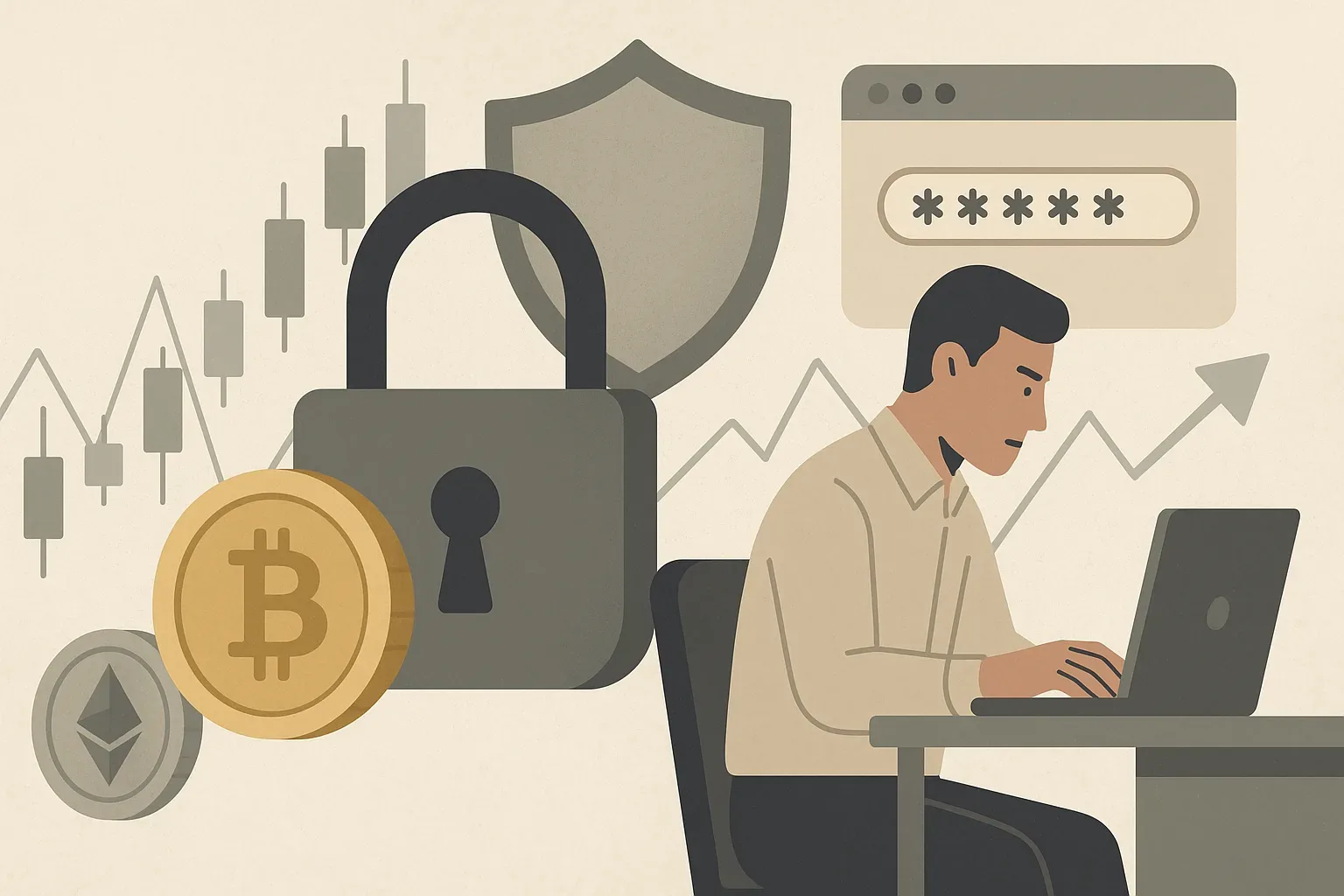
As forex traders increasingly explore the volatile yet lucrative world of cryptocurrency, the imperative for robust security practices has never been more critical. In crypto, you are often your own bank, which grants unprecedented control but also places immense responsibility for safeguarding your investments squarely on your shoulders.
Understanding and implementing these measures is not just about protection; it is about empowering your trading strategy with confidence and resilience.
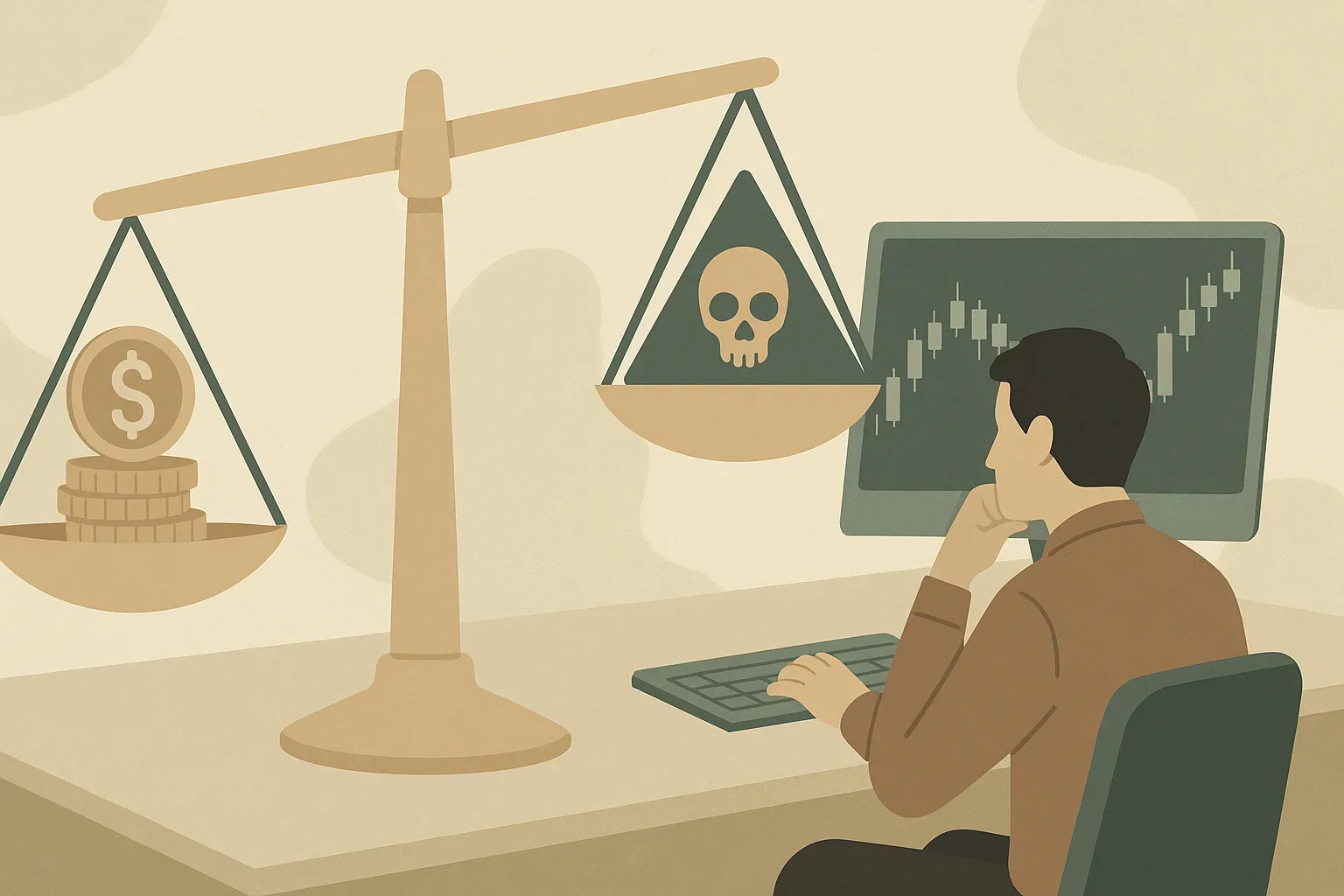
Please remember that cryptocurrency trading involves substantial risk, including the potential loss of principal. This guide provides information, not financial advice, and should be used in conjunction with your own due diligence and risk management strategies.
Understanding the Unique Security Landscape of Crypto Trading
The security paradigm in cryptocurrency diverges significantly from what forex traders are accustomed to. This decentralization is both a strength and a vulnerability. There is no central authority to reverse a fraudulent transaction or recover lost funds if your private keys are compromised.
The pseudo-anonymous nature of blockchain also means that once funds are moved to a scammer's address, tracing and recovering them is exceedingly difficult, if not impossible.
What are the most common crypto security threats faced by active traders and investors?
The most common include phishing attacks, where malicious actors attempt to trick users into revealing private keys, seed phrases, or exchange login credentials through fake websites, emails, or messages. Malware, such as keyloggers or clipboard hijackers, can infect devices to steal sensitive information or alter wallet addresses during copy-paste operations. Exchange hacks pose a significant risk, as centralized platforms are attractive targets for cybercriminals. SIM swap attacks can compromise two-factor authentication by gaining control of a victim's phone number.
Essential Wallet Security: Choosing and Protecting Your Digital Storage
These are ideal for storing larger amounts of cryptocurrency that are not actively being traded.
Software wallets, or hot wallets, include desktop applications, mobile apps, and browser extensions. While convenient for active trading and smaller sums, they are connected to the internet and thus more susceptible to cyberattacks.
Never share your seed phrase with anyone and never store it digitally where it could be accessed. Consider a strategy where you use a hot wallet or exchange wallet for your actively traded capital and a hardware wallet for your longer-term holdings.
How do I choose and secure the most appropriate crypto wallet for my trading needs?
Choosing the most appropriate crypto wallet for your trading needs involves balancing convenience with security. However, for any significant portion of your portfolio or assets you plan to hold for the medium to long term, a hardware wallet offers superior security by keeping your private keys offline.
Fortifying Your Exchange Accounts: Beyond Basic Passwords
Some exchanges also support hardware 2FA keys like YubiKey, offering an even higher level of protection.
Regularly review your login history and API key usage for any unauthorized activity.
What are the essential steps to fortify my cryptocurrency exchange accounts against unauthorized access?
Enable withdrawal address whitelisting to ensure funds can only be sent to pre-approved addresses. If using API keys for trading bots or portfolio trackers, configure them with the minimum necessary permissions and restrict their use to specific IP addresses.
Identifying and Avoiding Crypto Scams: A Trader's Defense Guide
The crypto space, unfortunately, is rife with scams designed to trick unsuspecting individuals out of their digital assets. As a trader, developing a keen eye for these deceptive schemes is a vital security measure. Common scam types include phishing, where criminals create fake websites or impersonate legitimate entities (exchanges, wallet providers, influencers) to trick you into revealing your private keys or login credentials. Impersonation scams also extend to social media, where fake support accounts or celebrity profiles promise lucrative returns or offer fake giveaways.
Other prevalent scams include 'pump-and-dump' schemes, where fraudsters artificially inflate the price of a low-cap coin before selling off their holdings, leaving others with worthless assets. Fake initial coin offerings (ICOs) or airdrops solicit funds or private keys under false pretenses. Romance scams lure victims into sending crypto to fake personas. The red flags for most scams include promises of guaranteed, unusually high returns with little to no risk, urgent pressure tactics to act quickly, unsolicited messages from unknown sources, poor grammar and spelling, and any request for your private keys, seed phrase, or to send funds to an 'investment platform'.
Always conduct thorough due diligence, verify sources through official channels (e.g., official website links, not links from emails), and remember the adage: if it sounds too good to be true, it almost certainly is. Once crypto is sent, it is practically impossible to recover, making prevention your only real defense.
How can I effectively identify and avoid common crypto scams like phishing and impersonation?
To effectively identify and avoid common crypto scams like phishing and impersonation, maintain a high level of skepticism. Always double-check the URL of any website asking for your login credentials or seed phrase, ensuring it is the legitimate domain and not a subtly misspelled or redirected site. Scrutinize the sender of emails or messages for exact domain matches and watch for poor grammar or unusual phrasing. Be wary of any unsolicited offers promising extremely high or guaranteed returns, or requests for private keys or seed phrases, as no legitimate entity will ever ask for these. Avoid clicking on suspicious links and instead navigate directly to official websites. Cross-reference any information or offers through official company announcements on their verified social media channels or official websites, rather than relying on direct messages or emails. If you suspect an impersonator, block and report them immediately.
Advanced Security Protocols for High-Value Crypto Portfolios
As your crypto portfolio grows in value, the stakes become significantly higher, necessitating the adoption of more advanced security protocols. Devices like Ledger or Trezor provide robust cold storage solutions, isolating your private keys from internet-connected devices. Consider owning multiple hardware wallets for redundancy and diversification, perhaps storing them in geographically separated secure locations.
For shared control over significant funds or for added security layers, multi-signature (multi-sig) wallets require multiple approvals before a transaction can be executed, distributing the risk. Backing up your seed phrase is fundamental, and for ultimate durability, consider storing it on metal plates rather than paper, which is susceptible to fire and water damage. For highly sensitive operations, an air-gapped computer, a device never connected to the internet, can be used to generate private keys or sign transactions, adding an impenetrable layer of isolation. Regularly conduct personal security audits of your devices and digital hygiene practices to identify and mitigate potential vulnerabilities before they are exploited. These advanced measures transform your security from a basic defense into a fortified, multi-layered stronghold.
When should I consider implementing advanced security measures such as hardware wallets or cold storage?
You should strongly consider implementing advanced security measures such as hardware wallets or cold storage as soon as your cryptocurrency portfolio reaches a value that you would consider a significant personal loss if compromised. This threshold varies for everyone, but generally, when your holdings exceed what you can comfortably afford to lose, it is time for an upgrade. A practical approach is to keep only the minimum necessary funds on exchanges or hot wallets for active trading, and promptly move the substantial majority of your assets into a hardware wallet or other cold storage solution, significantly reducing your exposure to online threats and exchange-specific risks.
Secure Transaction Practices: Moving Crypto Safely
Every cryptocurrency transaction carries inherent risks, and diligent practice is essential to ensure your funds reach their intended destination. The irreversibility of blockchain transactions means a single mistake, such as sending to the wrong address, can result in permanent loss. Always double-check the recipient address character by character. Be aware of clipboard hijackers, a type of malware that silently replaces copied wallet addresses with a scammer's address. To counter this, consider manually verifying the first few and last few characters of the address against the intended address, or even better, perform a small test transaction with a minimal amount of crypto before sending a large sum.
Understand the network fees and confirmation times associated with different blockchains to avoid unexpected delays or costs. Always use a secure, private internet connection when conducting transactions; public Wi-Fi networks are notorious for security vulnerabilities. Be mindful of 'dusting' attacks, where tiny amounts of crypto are sent to numerous wallets to de-anonymize users. While usually not directly harmful, they are a privacy concern. For general security best practices relevant to all your online activities, you can review our blog on security.
Integrating Security into Your Overall Crypto Trading Strategy
Security should not be an afterthought or a one-time setup; it needs to be an integral, ongoing component of your crypto trading and portfolio management strategy. Think of it as an essential layer of risk management, akin to setting stop-losses or diversifying your forex pairs. Implement a systematic approach by not putting all your digital eggs in one basket: diversify your holdings across different reputable exchanges and wallets. This mitigates the impact of a single point of failure, such as an exchange hack or a wallet compromise.
Regularly withdrawing profits or a portion of your trading capital from exchanges into a secure cold storage solution reduces your exposure to custodial risks. This practice separates your active trading capital from your long term investments. Develop a personal security checklist that you review periodically, including items like checking 2FA settings, updating passwords, verifying withdrawal addresses, and reviewing account activity. By weaving security into the fabric of your trading activities, you transform it from a burden into a strategic advantage.
How can I integrate robust security practices into my overall crypto trading and portfolio management strategy?
Integrating robust security practices into your overall crypto trading and portfolio management strategy involves adopting a continuous, multi-layered approach. Begin by segmenting your funds: allocate only the necessary capital for active trading to exchange wallets or hot wallets, and promptly move any substantial or long term holdings into secure cold storage like hardware wallets. Consistently employ strong, unique passwords for all accounts, ideally using a password manager, and always enable hardware-backed 2FA or authenticator apps. Regularly audit your security settings on exchanges, review transaction history, and check for any unauthorized access. Diversify your risk by avoiding keeping all your assets on a single exchange. Develop an emergency plan in case of a security breach, knowing the steps to take to mitigate losses. Finally, stay perpetually informed about new threats and vulnerabilities, adapting your security posture as the crypto landscape evolves.
Continuous Learning: Staying Ahead of Evolving Crypto Threats
What was a robust defense yesterday might be insufficient tomorrow. Therefore, continuous learning and staying informed are not merely good practices but essential components of long term crypto security. Regularly follow reputable crypto news outlets, security blogs, and official announcements from your preferred exchanges and wallet providers. Educate yourself on emerging attack vectors, such as new phishing techniques, DeFi exploits, NFT scams, or vulnerabilities in smart contracts. Understanding how these threats operate empowers you to recognize and avoid them.
Beyond external threats, continuously practice good digital hygiene: keep your operating systems and software updated, use antivirus and anti-malware programs, and be mindful of what you download or click. Engage with security-focused communities and discussions to learn from others' experiences and insights. Never assume complete safety; instead, cultivate a mindset of proactive vigilance and adaptability. By staying ahead of the curve, you significantly enhance your ability to protect your digital assets in this dynamic and challenging environment.
Conclusion: Your Fortress in the Digital Asset World
The unique characteristics of digital assets, from the irreversibility of transactions to the responsibility of private key management, place the onus of protection firmly on your shoulders. This guide has provided a comprehensive framework, from fundamental wallet and exchange fortification to advanced protocols and scam avoidance, all tailored to the active trader's needs.
Remember that security is an ongoing journey, not a destination. By integrating these robust practices into your daily trading routine and embracing continuous learning, you can transform your crypto portfolio from a potential target into a well-protected fortress. Empower yourself with knowledge, apply diligent practices, and trade with confidence in the ever-evolving world of digital assets.
Cryptocurrency trading involves substantial risk, including the potential loss of principal. This information is for educational purposes only and does not constitute financial advice.
Independent editorial. This site may in future carry advertising or affiliate links; any such relationship is disclosed on the page it affects. None applies to this article.